
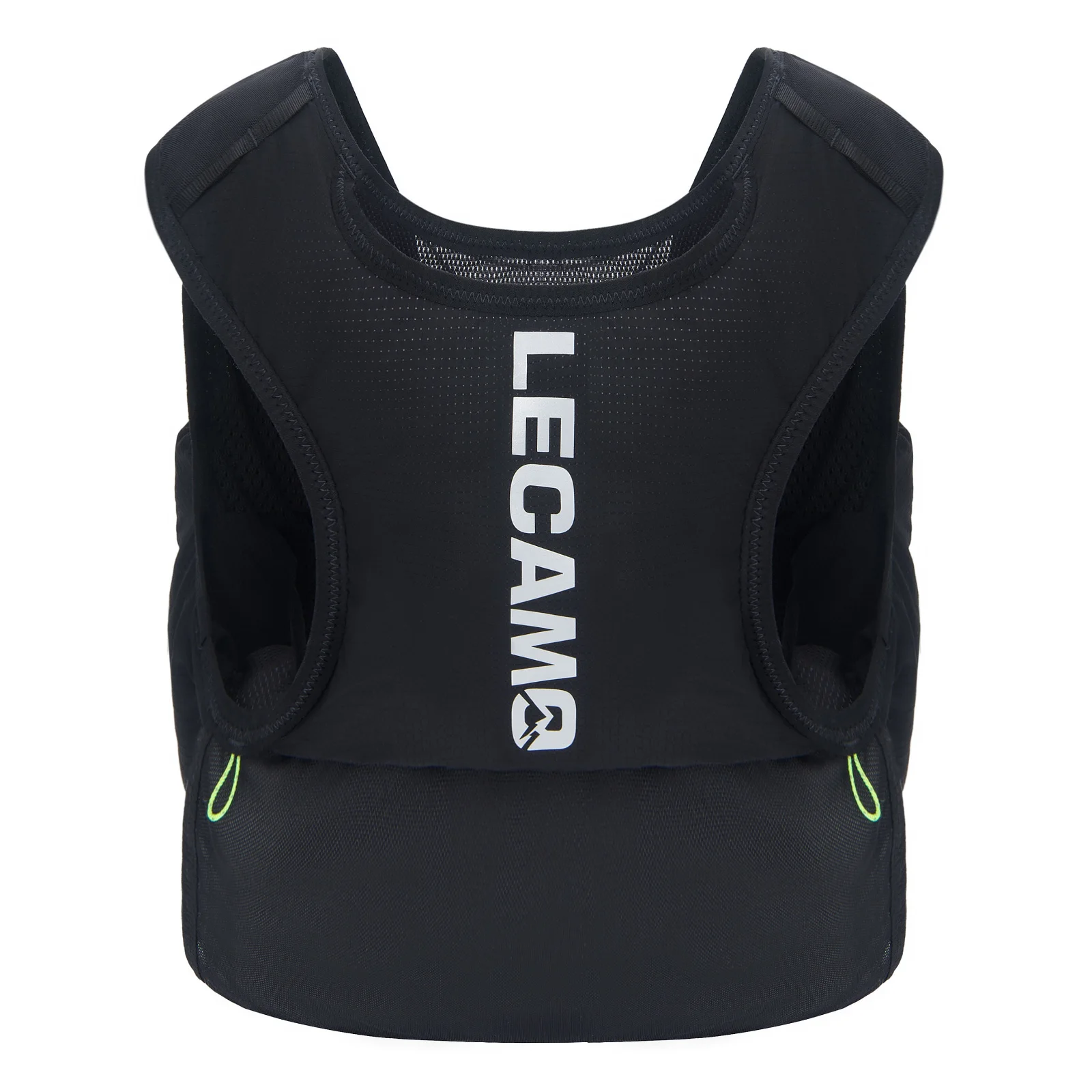
A dark running vest comes back from a fitting with no obvious change in colour. The white shirt worn underneath has a mark along one shoulder. Which item should the developer send to the laboratory? Keep the shirt as evidence of the location, but identify and submit the vest materials that actually touched it. Testing only the dark outer fabric could produce a perfectly accurate answer about the wrong component.
The first decision is whether the concern is a change to the vest, transfer to another textile, or both. Write separate requirements for those outcomes. If a buyer would reject a mark on a pale jersey even when the vest still looks new, an approval line that says only “colour unchanged” misses the reason for the review.
01
Reconstruct the contact surface before ordering tests
Turn the vest inside out and fasten it around the intended base layer. On one side, trace the shoulder from the neck opening down to the chest. Record the material codes for the body-facing mesh, the narrow edge binding, exposed stitching and any webbing that can turn against the shirt. Do the same at the lower back. Use a different symbol for each material on a simple photograph. The resulting map tells the lab what the specimens are; it does not tell the lab which one caused a mark.
Keep the packing state with that photograph. A filled flask, for example, can change where the shoulder edge sits. An unloaded fitting may expose a different surface. If the mark is a narrow line, inspect both the binding and the adjoining seam rather than assuming that the largest dark panel is responsible. If it covers a broad patch, check whether it aligns with the mesh face or with a shirt area that never touched the vest. Note any mismatch before deciding which test to commission.
Ask for production-intent pieces from the relevant colour lots. Keep one unexposed piece of each, labelled with its face and roll reference. Two black trims ordered from different suppliers are two specimens, even if the design drawing gives them the same colour name. Conversely, if several labels on the drawing refer to one material from the same lot, tell the laboratory rather than sending unidentified duplicates.
02
Ask for the result on the receiving textile
AATCC TM15 addresses the effect of simulated acid perspiration on coloured textiles. Its published summary distinguishes the assessment of the coloured specimen from the assessment of transfer to adjacent fibre materials. It describes contact under controlled conditions; it does not reproduce the changing pressure, motion and clothing combinations of an individual run.
Write the development request around that distinction. Identify the specimen face, ask for the method edition used and request the colour-change result and the individual staining results reported for the adjacent material. Agree on the acceptance criteria before the lab receives the cuttings. If the relevant shirt material is not represented by the standard adjacent material, ask whether the lab can run a separately labelled comparison with the actual shirt fabric. Do not silently substitute that fabric and present the result as an unmodified standard test.
Why a single “pass” can hide the decision
Consider a hypothetical submission with two lines: the mesh retained its colour, but the binding stained one of the receiving materials more than the buyer allows. The action is not to reject all black mesh or approve the vest because the larger component passed. First confirm the identity of the binding, the face tested and the criterion for that receiving material. Then address that trim and any other place on the vest where the same trim touches clothing.
03
Follow the mark without turning a fitting into a lab test
Use a controlled fitting to locate a contact problem, not to assign a test grade. Keep the vest size, strap settings, base-layer identity and packing arrangement the same between comparisons. Draw a reference outline on a photograph rather than marking the contact face with a pen that could itself transfer. Photograph the shirt before and after under the same light; keep the garments separate afterwards so storage does not introduce a new contact mark.
Suppose a redesigned shoulder moves the binding away from the shirt and the next fitting shows no visible line. That is useful evidence about placement on that wearer. It does not show that the binding itself now meets a material specification. Equally, if the lab result is acceptable but the fitting still leaves a mark, do not simply order the same test again. Check for exposed print, transfer from another garment, surface debris or mechanical rubbing. Establish what kind of mark you are seeing before assigning the next investigation.
04
Correct the component without losing the fit
A trim change is often narrower than a panel redesign, but it still changes the sewn edge. Compare the substitute on the same curve and in the same seam construction. A stiffer replacement can stand away from the shoulder or roll onto the skin. A wider binding can cover a mesh opening or reduce the usable width of a flask pocket. Use the approved sample to identify what must stay unchanged while the colour issue is addressed.
Retain the failed material as well as the proposed replacement. Give each a separate revision in the sample record so that an old test result cannot follow a new trim simply because the colour name is unchanged. If the proposed solution is a different dyeing or finishing route on the same construction, obtain evidence on that finished material. A statement about fibre composition alone does not answer the staining question.
05
Put the evidence where the next buyer can find it
The release file should connect five things: the vest style and colourway, the contact map, the actual specimen IDs, the laboratory results and the decision on the sewn sample. Note which clothing comparison, if any, was supplementary. Say whether the decision covers the sampled lot or a defined ongoing supply arrangement. A future developer should be able to trace an edge of binding on the physical vest back to its own result without guessing from a photograph.
For a trail running vest, this record complements a seam comfort review. A comfortable seam can still carry a trim that stains clothing. A trim with acceptable staining results can still make an uncomfortable seam. Keep both decisions visible before releasing the harness.
Discuss your bag development project
ANSON XIE
General Manager & Founder
Quanzhou Junkai Pengda Special Equipment Co., Ltd.
Email: ansonxie@jkpdtime.com
Phone: +86 177 5095 3355
WhatsApp: +86 177 5095 3355
Factory address: Floors 2–4, Building 1, Phase I, Huixin Intelligent Manufacturing Industrial Park, Hui'an County, Quanzhou, Fujian, China