
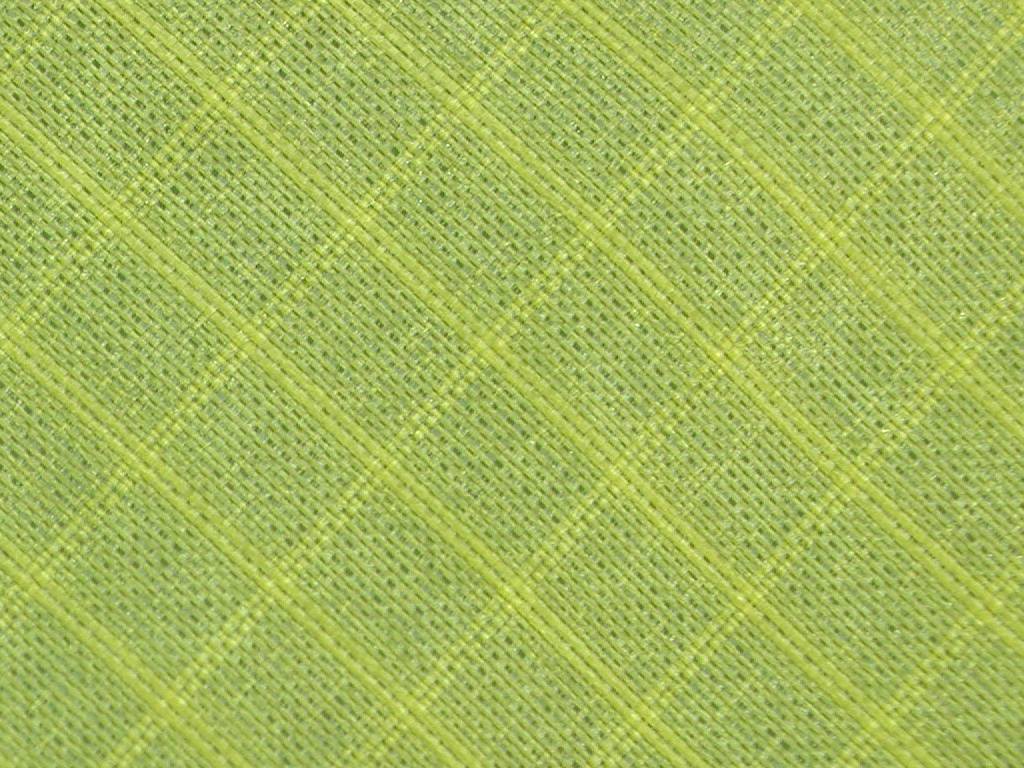
Photo: Flyout. CC BY-SA 3.0 · Original source. Unmodified for this article. The image remains under its stated license; no endorsement or JKPD material use is implied.

01
A grid is not a fiber name
A frequent mistake is to treat a visible grid as composition. The supplier Riptionary lists ripstop nylon and ripstop polyester separately: a construction concept can appear in different fiber systems. This article concerns fabric, not a universal ripstop rating for webbing.
Ask for base-fabric composition, ground and grid yarns, grid spacing and construction. Rectangular, diamond or multiple grids can help identify a sample visually. They do not establish that a grid contains UHMWPE, Dyneema or another high-strength fiber.
02
What the close-up can establish
The green photograph is identified by its source as ripstop textile. It shows a repeating grid and fine interlacing, without confirming fiber, denier, grid spacing, coating or test values. It does not identify any supplier article discussed here and is not a JKPD product photograph.
For an actual order, photograph the face, reverse, selvage and an identified sample with a scale reference. Link them to the data sheet. Images document appearance; records and verification establish the remaining material information.
03
Separate tearing, tensile failure and abrasion
State the failure mode of concern: extension of an existing small tear, tensile failure or repeated surface rubbing. Calling all three strength obscures the requirement. A grid name provides no numeric threshold and a result for one mode should not stand in for another.
The public scope of ASTM D1424-25 describes measuring the force to propagate a single tear from a cut using a falling-pendulum apparatus. It does not describe cutting, puncture or a finished-bag connection test. Have the laboratory confirm suitability for the proposed material.
04
Match sample conditions before comparing reports
Ask for method and edition, warp and weft directions, specimen state, sample count, units and result format. Identify whether a report covers the base fabric or the finished coated article before ranking values.
Record delivery color, finishing revision and batch as well. If wet-state or post-treatment behavior matters, agree the conditions in advance. Do not convert results from different tear methods into a supposed common ripstop grade without a justified basis.
05
Review sewn areas before the whole bag
Make connection coupons with the proposed reinforcement, webbing, lining and needle/thread combination. Record visible changes around the seam and verify the connection as required. A fabric tear result alone cannot approve a shoulder-strap root or handle attachment.
After a coating or grid change, recheck cutting orientation, assembly handling and sewing records. No universal stitch length, hot-cutting temperature or reinforcement dimensions are prescribed here. Establish them for the actual combination rather than deriving them from a close-up.
06
Use demonstrations for handling, tests for performance
Ripstop by the Roll’s 1.2 oz MTN XL Hybrid Ripstop Nylon 6.6 video is a supplier demonstration of one lightweight fabric. It is supplementary viewing, not bag-load or tear certification, and it does not depict the green cloth photographed here.
Ask for demonstrations of the proposed article along warp, weft and bias directions, plus folding and unfolding with an identifiable sample ID. This can support remote discussion of handling and drape. Approval should still reference composition, finished specification, treatment and suitable verification.
Related video:1.2 oz MTN XL Hybrid Ripstop Nylon 6.6 - Fabric Demo — Ripstop by the Roll
Supplementary viewing: supplier demonstration of one fabric. Not used as evidence for unverified actions or performance. Not the cloth in the green photograph.
Share application requirements, candidate fabric articles and available records through the JKPD inquiry page.
Compare this with fabric abrasion reports: wear and tear propagation need separate evidence.
Discuss your bag development project
ANSON XIE
General Manager & Founder
Quanzhou Junkai Pengda Special Equipment Co., Ltd.
Email: ansonxie@jkpdtime.com
Phone: +86 177 5095 3355
WhatsApp: +86 177 5095 3355
Factory address: Floors 2–4, Building 1, Phase I, Huixin Intelligent Manufacturing Industrial Park, Hui'an County, Quanzhou, Fujian, China