
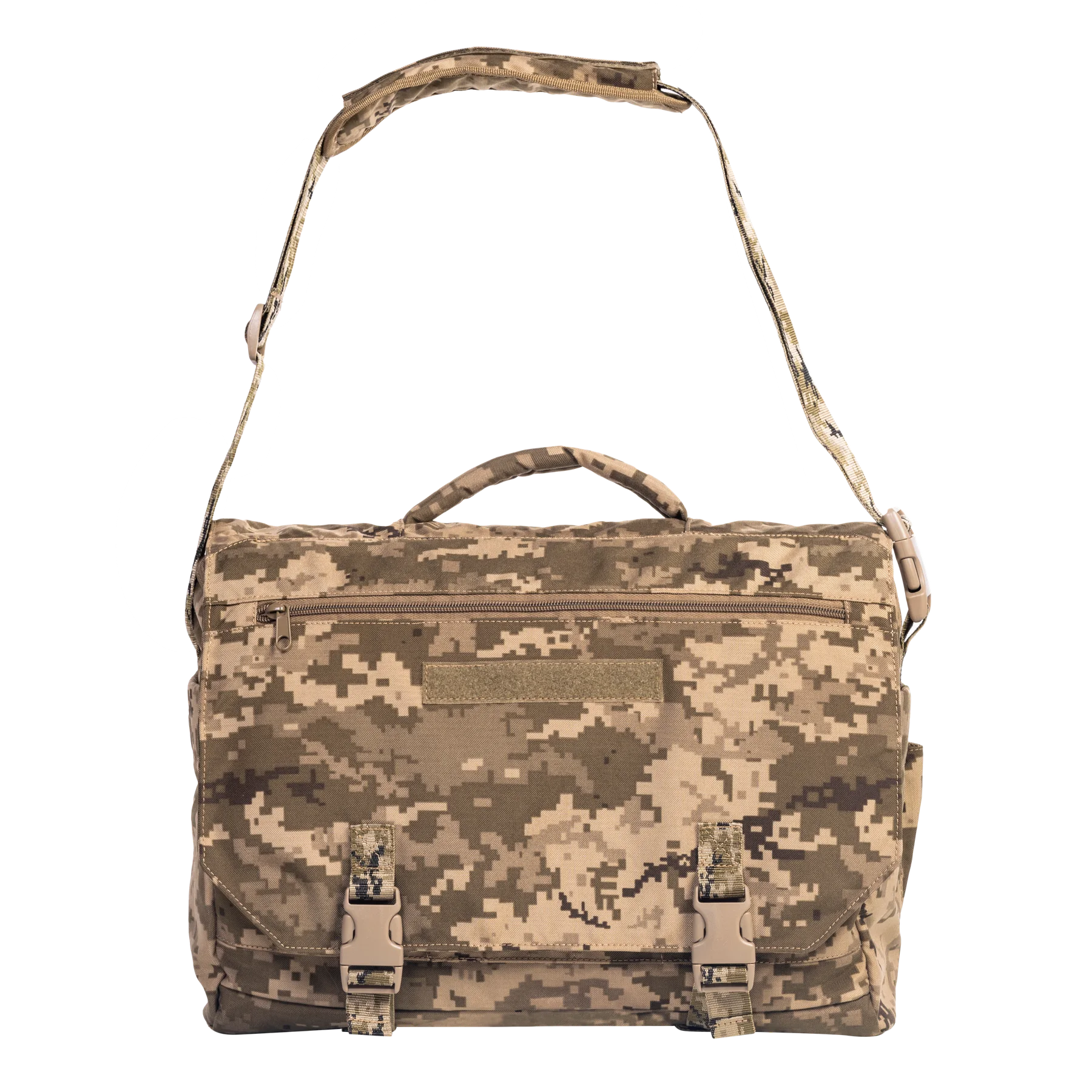
A fabric quotation arrives with an impressive abrasion number. Another supplier offers a lower number at a better price. Before choosing either, ask whether the two reports describe the same test, the same stopping point and the material you would actually purchase.
For a tactical-style soft bag, abrasion approval is a purchasing and development decision, not a contest between isolated cycle counts. A useful report connects an identifiable fabric to a defined result. The bag design still needs its own review at corners, folds and exposed edges.
01
Identify what the report actually covers
Match the tested specimen to the proposed purchasing reference. Ask for the supplier article number, construction, color, finish and coating or laminate details where applicable. A report for a fabric family does not automatically describe every finished version sold under that family name.
Keep a physical swatch linked to the report and quotation. If the buyer approves one surface finish but purchasing orders another, the paperwork can look complete while describing a different material. Record the sample identity before debating whether its result is good enough.
The public overview of ASTM D3884 identifies fiber properties, yarn structure, fabric construction and added finishes as factors affecting abrasion behavior. That supports a practical request: specify the finished fabric, not merely its fiber name or yarn-size description.
This is especially useful when several colorways share a product name. Ask the supplier which variants the evidence covers and which need additional review. Do not assume that a familiar trade name establishes the exact composition of an unverified sample.
02
Put comparable conditions beside comparable results
Ask the laboratory or supplier to identify the method and edition, specimen preparation, test face, loading, abrasive medium and reported endpoint as applicable. Have a qualified laboratory confirm the relevant conditions rather than assembling a test recipe from a marketing summary.
ASTM lists D4966 for the Martindale method and D3884 for the rotary platform abrader. Their different methods are a reason to pause before placing both cycle counts in the same ranking column. A number without its procedure cannot support a fair comparison.
Use a short comparison sheet with one row per candidate. Include the fabric reference, report date, method, conditions, endpoint and result. Leave missing fields visibly unresolved; do not fill them from a similar fabric report just to complete the spreadsheet.
If reports cannot be aligned, ask for a common test plan on the actual candidates. Agree the cost and decision criteria before commissioning work. The objective is to answer the buying question, not accumulate certificates that nobody can compare.
03
Define the concern before setting an acceptance limit
Decide whether the project is concerned about visible surface change, damage to the fabric structure or another specifically defined outcome. Ask the laboratory which method and assessment fit that concern. The development team and buyer should agree what constitutes an unacceptable result before seeing the candidate rankings.
A cosmetic rejection and a structural failure are different decisions. For example, a buyer may object to a changed surface appearance even when a report has not reached its specified endpoint. Keep an approved appearance reference alongside the technical requirement when both matter.
Do not present an arbitrary cycle threshold as a universal requirement for tactical bags. Intended use, material position and the agreed product promise should guide the specification. A soft briefcase and a transport bag may expose different areas to repeated contact.
Before accepting a headline result, confirm three things: which material was tested, which procedure produced the number, and which decision the result is supposed to support.
04
Keep fabric evidence separate from bag performance
A flat fabric specimen does not reproduce every detail of an assembled bag. Mark likely contact locations on the design: base edges, raised seams, piping, flap corners and areas beneath moving straps. Review those details with the intended contents and carrying arrangement.
Ask whether a seam or fold presents an exposed edge that the fabric test does not represent. An additional layer may protect one area but introduce a bulky transition elsewhere. Compare the assembled detail rather than assuming that a higher fabric result resolves every construction concern.
D4966 cautions against using abrasion results to predict actual wear life without evidence connecting the laboratory test to the intended use. Avoid converting a cycle count into years of service or a blanket durability promise. Keep the report available as evidence of the stated test only.
Related questions need separate evidence. Abrasion resistance does not by itself establish rain protection, seam strength or closure performance. Our rain-protection guide explains why finished-bag claims need boundaries of their own.
05
Resolve inconsistent evidence before release
When two reports appear to conflict, first compare specimen identity and conditions. Check whether one tested an uncoated face and another a finished material, or whether they report different outcomes. Ask the issuing parties to explain the difference instead of choosing whichever result supports the preferred price.
If a repeated test is necessary, agree how samples will be identified and submitted. Retain the references and document the decision. Do not quietly replace an unfavorable report with a new one while leaving the purchasing specification unchanged.
The approval record should identify accepted material references, open questions and any permitted alternates. A substitution request deserves review before cutting begins. Even a visually close alternative may fall outside the evidence used for the original decision.
Connect this record to the technical pack, so the sample room, purchasing team and buyer can trace the same approved material. A report sitting separately in an email thread is easy to miss during a revision.
06
Write a buying decision, not a marketing conclusion
Close the review with a specific decision: accept the identified fabric for the stated locations, request another trial, or reject it against a stated requirement. Include the report reference and any limits on its use. This gives production something more useful than a note saying the fabric is durable.
For subsequent orders, review changes in material reference, finish or supplier information through the same process. Keep previous approvals accessible, but do not treat them as permanent approval for unspecified future substitutions.
When discussing a new soft-bag project, send the intended contact conditions and material questions together with the drawings. That makes it easier to propose relevant verification and construction options without promising performance that has not been established.
FAQ
Questions buyers often ask
Can I compare two fabrics by abrasion cycles alone?
Only after confirming that the method, conditions and reported endpoint make the results meaningfully comparable. Ask the laboratory to resolve missing information before using the numbers to rank candidates.
Does a fabric abrasion report establish a bag warranty period?
No. It describes performance under stated test conditions. A service-life or warranty claim needs its own basis and cannot be inferred from an isolated fabric result.
Discuss your bag development project
ANSON XIE
General Manager & Founder
Quanzhou Junkai Pengda Special Equipment Co., Ltd.
Email: ansonxie@jkpdtime.com
Phone: +86 177 5095 3355
WhatsApp: +86 177 5095 3355
Factory address: Floors 2–4, Building 1, Phase I, Huixin Intelligent Manufacturing Industrial Park, Hui'an County, Quanzhou, Fujian, China