
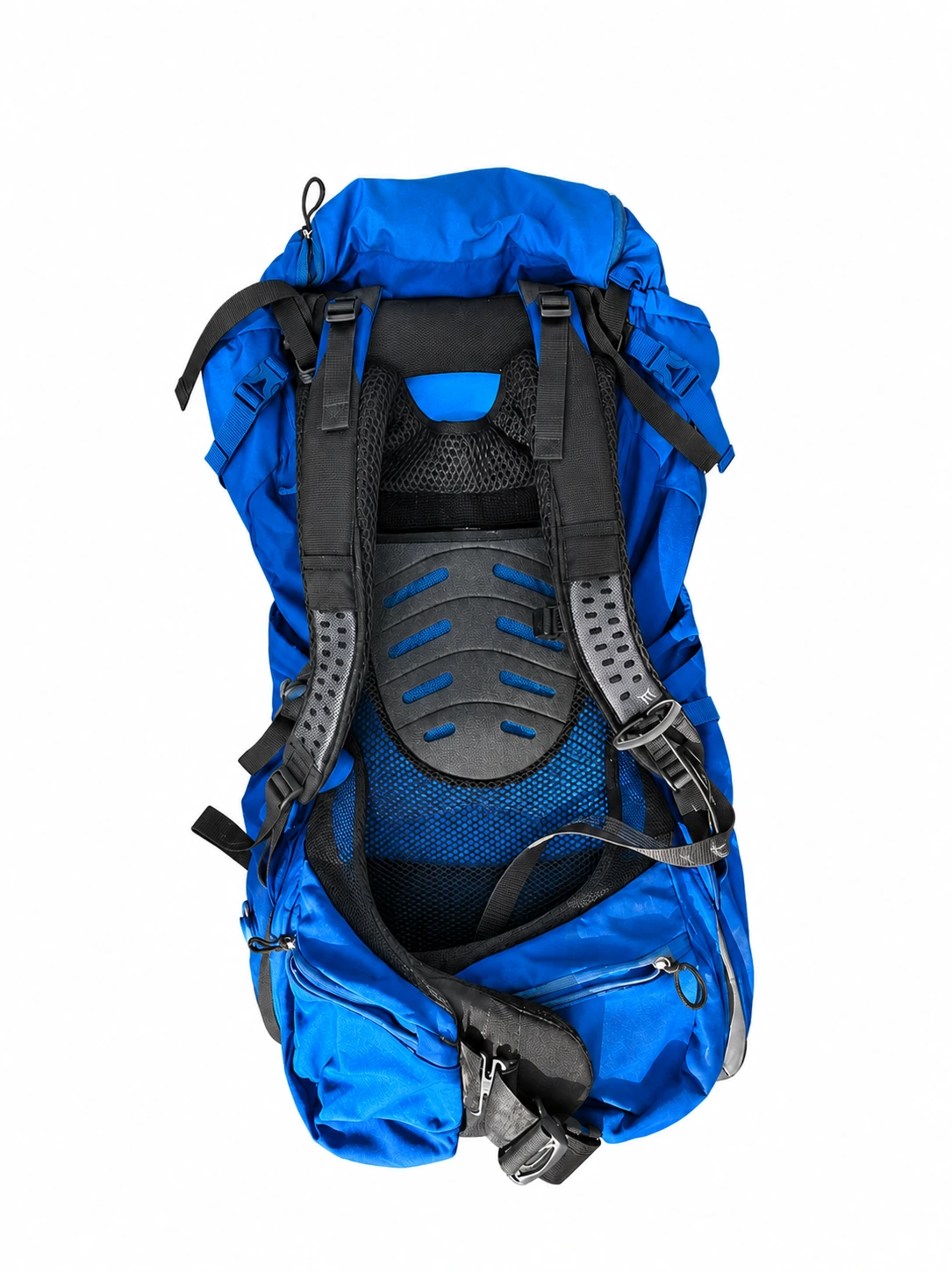
Hero photograph: Sea Cow. Original source · CC BY-SA 4.0. Brand elements and background were cleaned with AI. The adapted photograph is provided under the same license. Photographs show closed exterior examples; they do not establish unseen construction, opening angles, material performance or a JKPD manufacturing relationship.
A hiking backpack's shoulder straps can adjust tension, but they do not move the hipbelt and yoke farther apart on a fixed-length frame. A fit review should check that distance before deciding whether a tighter strap is the answer. It should also explain which adjustments are meant to set the geometry and which are meant to secure it.
Key takeaways
- Record the belt and yoke settings separately.
- Check shoulder wrap before increasing tension.
- Verify size boundaries using the same load.
01
What is the difference between size and adjustment?
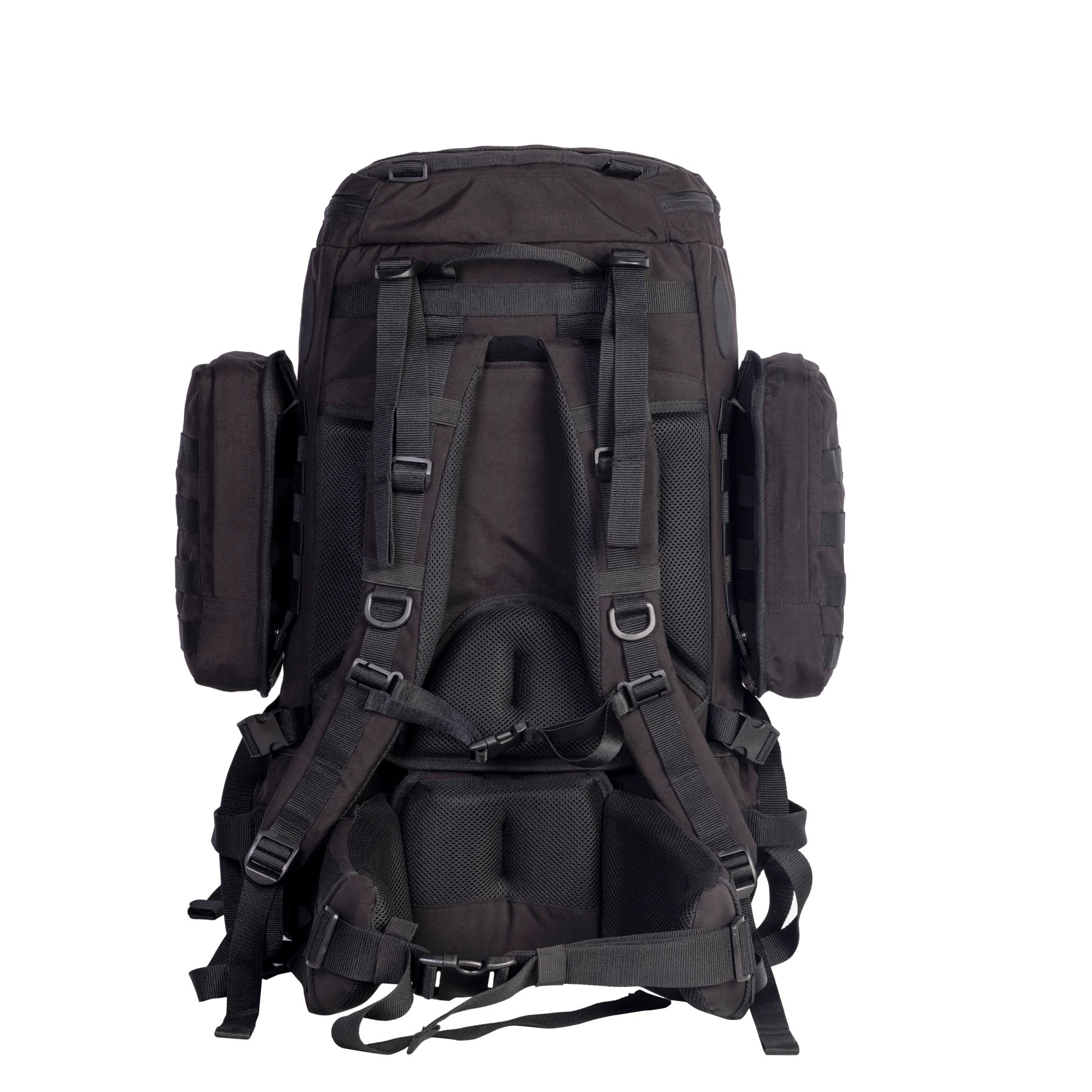
A size or an adjustable yoke setting determines where the shoulders and belt sit relative to one another. Pulling a strap normally takes out slack. If the hipbelt must shift away from its intended contact area to make the shoulder pads sit where expected, look at the back length or the yoke setting before asking the wearer to pull harder.
Capacity and back length belong in different fields of a specification. A number describing storage volume doesn't tell a buyer where the shoulder attachment lands. Likewise, a size letter only carries meaning when paired with that maker's measurement method and ranges.
02
Where should a repeatable fit begin?
Set the pack's intended geometry and locate the belt according to its fit instructions, then evaluate the shoulder wrap before tightening down the rest of the harness. Include the belt size separately if it is offered in different lengths. Start from known strap lengths so comparisons don't inherit a previous tester's settings.
Name the landmarks
Draw or describe the two body landmarks used by the fitting team and identify the reference points on the pack. ISO 7250-1 describes body measurements and landmarks for design. It does not prescribe a universal backpack size chart or the correct position for a particular pack. Define the measurements relevant to this product and use them consistently.
03
What does a near-boundary fit reveal?
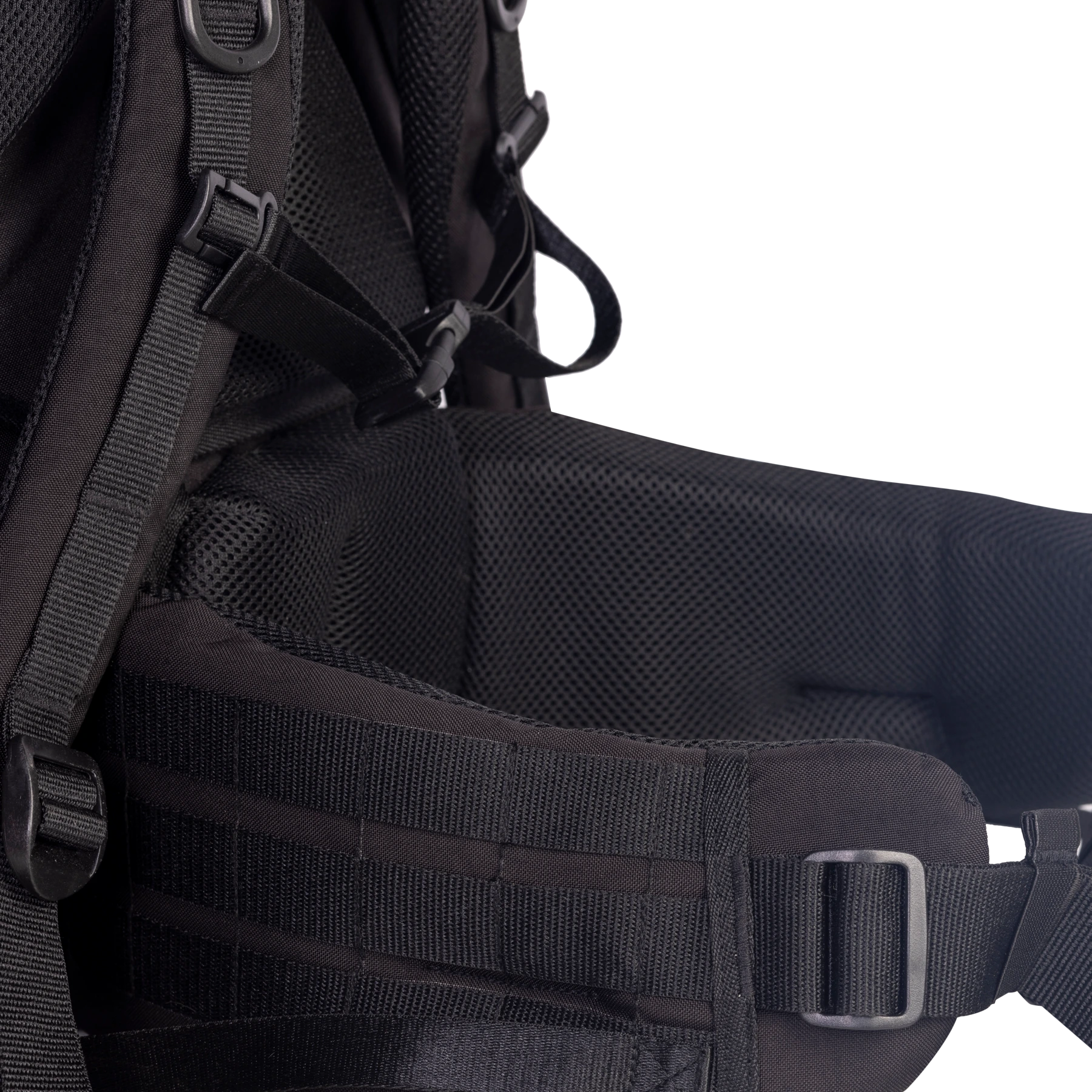
Select fit participants close to the planned boundaries between sizes, as well as someone near the middle of each intended range. Use the same representative hiking load and record the yoke setting, belt overlap and where the shoulder padding actually lands. Compare the photographs and notes at the same view angles.
Two people with a similar torso measurement can still differ in shoulder shape or hipbelt fit. Record that observation rather than expanding a size range from a single trial. The loaded vest fit guide varies hydration and layers on a running vest; this review instead holds the test load steady to inspect a framed hiking pack's belt-to-yoke geometry.
04
How can a fitting aid mask a mismatch?
When a wearer pulls hard on a strap to compensate for an anchor that sits too high or low, a still photograph can look neat. Note what had to move to get it there. A belt lifted out of position, an empty adjustment range or padding ending before it follows the shoulder are useful observations to bring back to the pattern.
For an adjustable frame, review intermediate yoke positions as well as both endpoints. The setting must stay where it was selected during the agreed movement sequence. A visible index mark can make removal, readjustment and subsequent fit checks more repeatable.
05
What should be in the release pack?
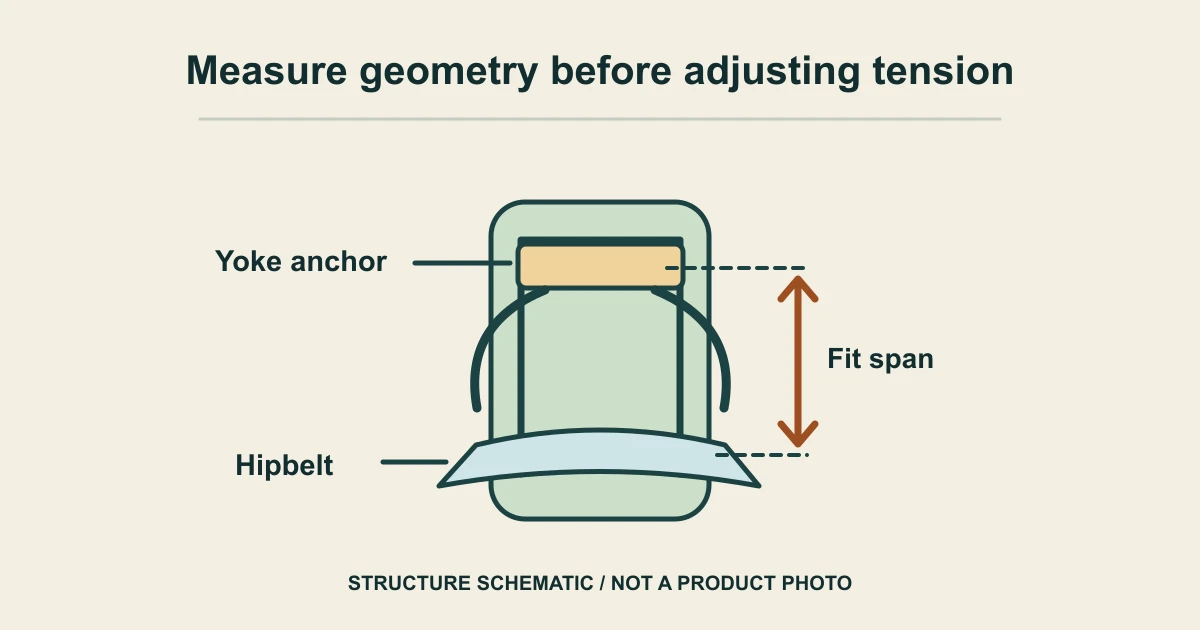
Include the body measurement instructions, the geometry and belt options for each size, and the fit procedure for one loaded sample. Provide a short set of signs that should prompt a change of size or a reset of the yoke rather than further tightening. Distinguish fit observations from general comfort or load-bearing claims.
The useful answer to a fit complaint is not always a new size. Sometimes the belt choice or yoke setting is wrong; sometimes the underlying geometry needs revision. Keeping the belt position and shoulder anchor relationship visible gives the buyer a way to tell those cases apart.
Discuss your bag development project
ANSON XIE
General Manager & Founder
Quanzhou Junkai Pengda Special Equipment Co., Ltd.
Email: ansonxie@jkpdtime.com
Phone: +86 177 5095 3355
WhatsApp: +86 177 5095 3355
Factory address: Floors 2–4, Building 1, Phase I, Huixin Intelligent Manufacturing Industrial Park, Hui'an County, Quanzhou, Fujian, China