
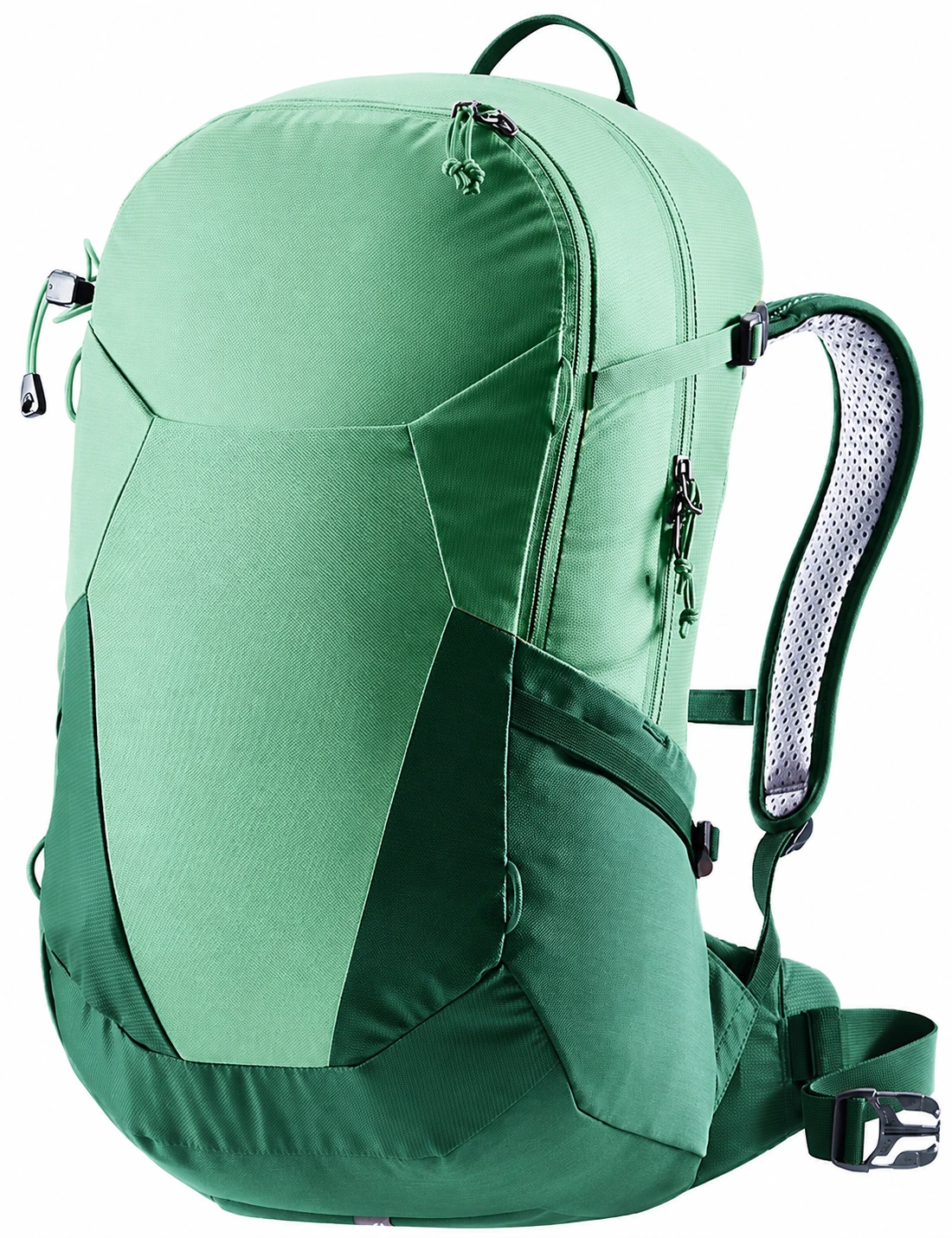
Hero photograph: Chris Müller. Original source · CC BY-SA 4.0. Brand elements were cleaned with AI. The adapted photograph is provided under the same license. Photographs show closed exterior examples; they do not establish unseen construction, opening angles, material performance or a JKPD manufacturing relationship.
An open front pocket and a zipped hipbelt pocket are useful for different reasons. The front pocket makes temporary staging visible when the pack is off; the hipbelt route keeps a small item with the wearer. For a design brief, follow a folded map and a phone through a stop rather than asking for two more pockets of unspecified size.
Key takeaways
- Trace what happens at a stop.
- Use the actual map folds and phone case.
- Check how both objects are secured before leaving.
01
Which item needs to be available at each step?
Think through a routine stop. The wearer arrives, decides whether to take the pack off, opens a map or checks a phone, then puts both away and leaves. Which objects need temporary parking, and which need a positive closure before the wearer moves again? Label each pocket according to the state it serves.
A folded map is a useful test object because its corners can catch and the folds become thicker when users refold it quickly. A phone is useful because its case changes clearance and a worn hipbelt bends around the body. Neither example requires claiming that every owner carries the same objects.
02
Can the front pocket serve as a staging area?
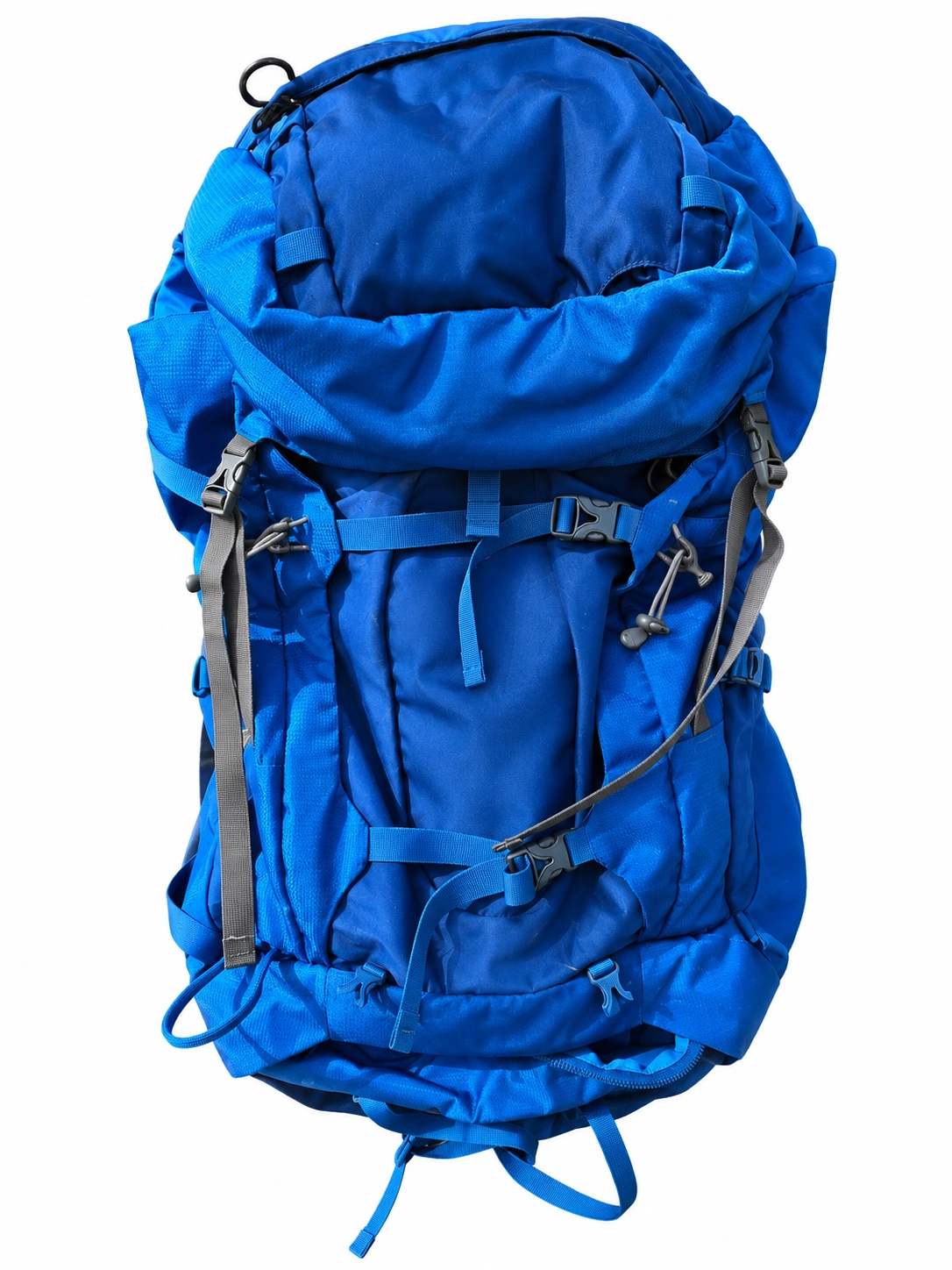
Stage a folded map with a thin layer already in the front pocket. Lay the pack in a stable position and try placing the map where its edge stays visible without working its way out. Try again after refolding it in a different direction. The pocket is not a substitute for a sealed pouch when the contents need rain protection.
Check what stays put when the pack is lifted
At the end of the stop, close anything meant to be secured. Lift the pack by the normal handle, set it down and observe whether the map shifts under the other contents or moves above its retention point. If a pocket is meant only for temporary staging, say so instead of treating a successful set-down as proof that it retains all items in motion.
03
What makes the hipbelt a different route?
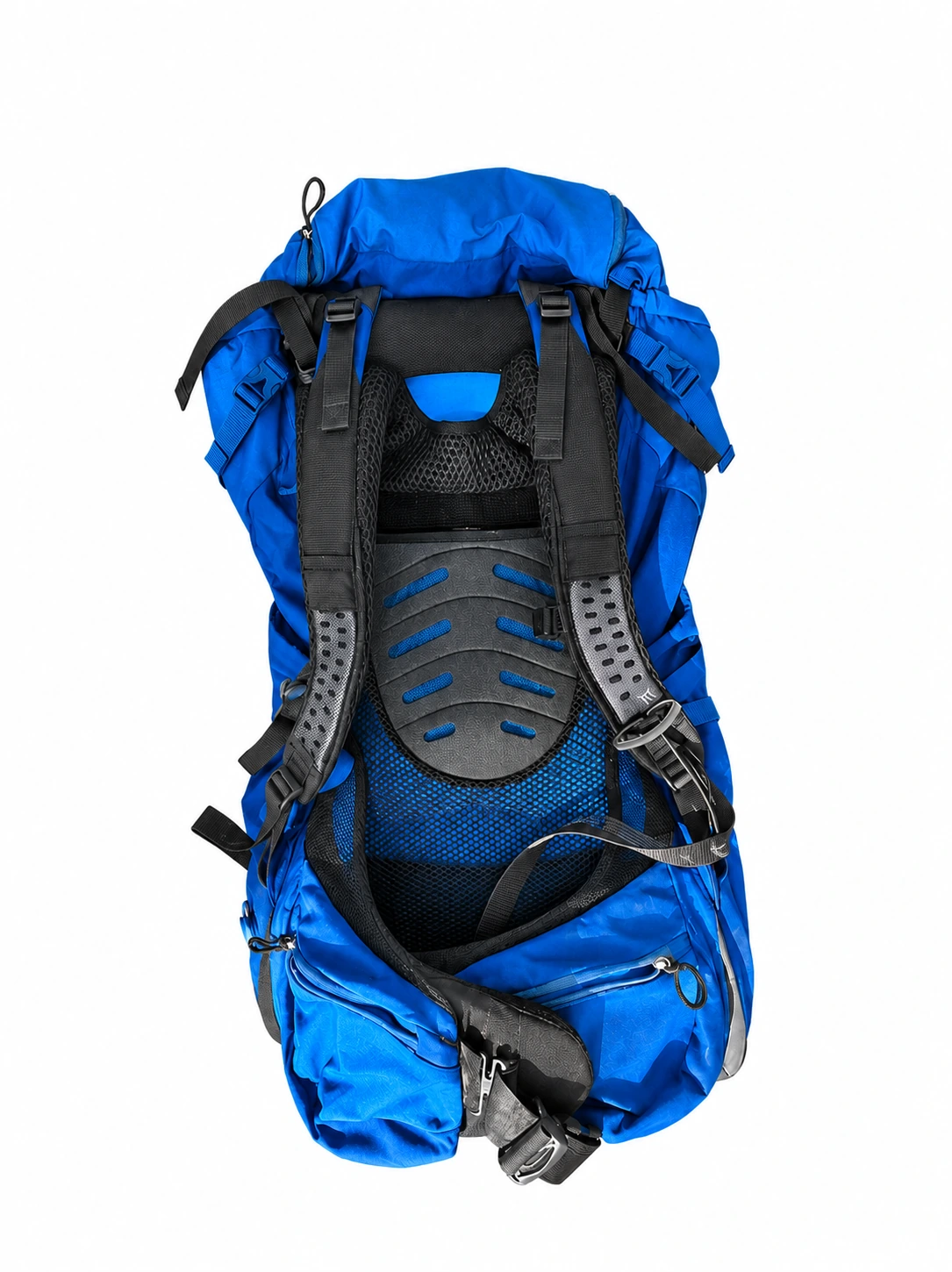
With the belt fastened, the phone moves with the wearer when the pack is on. Opening the zipper may still require a thumb to brace the pocket or a second hand to move the pull. Review the actual case, not a bare phone. The zipper can be easy to run around an empty belt and obstructed once the phone presses against the opening.
At the stop, check what happens if the wearer removes the whole pack before checking the phone. The phone is not on the wearer after the belt comes off; that matters if the item is needed while someone else holds the pack. Compare the hip-pocket design guide for details about finger clearance and pocket shape.
04
Where should the objects end up after the stop?
Finish the sequence by putting the map into its agreed carry position and fully closing the phone zipper. Have the tester identify closure by feel and sight. A loose phone, a map left proud of the lip or an open zip in the belt-side blind spot are separate failure modes.
For a pocket intended to do both staging and retention, include the transition on the drawing or in instructions. It may involve fastening a tab, moving the map inward or moving the item to another place. If the transition is easy to forget, the pocket layout or closure cue may deserve a change.
05
Turn the sequence into an approval task
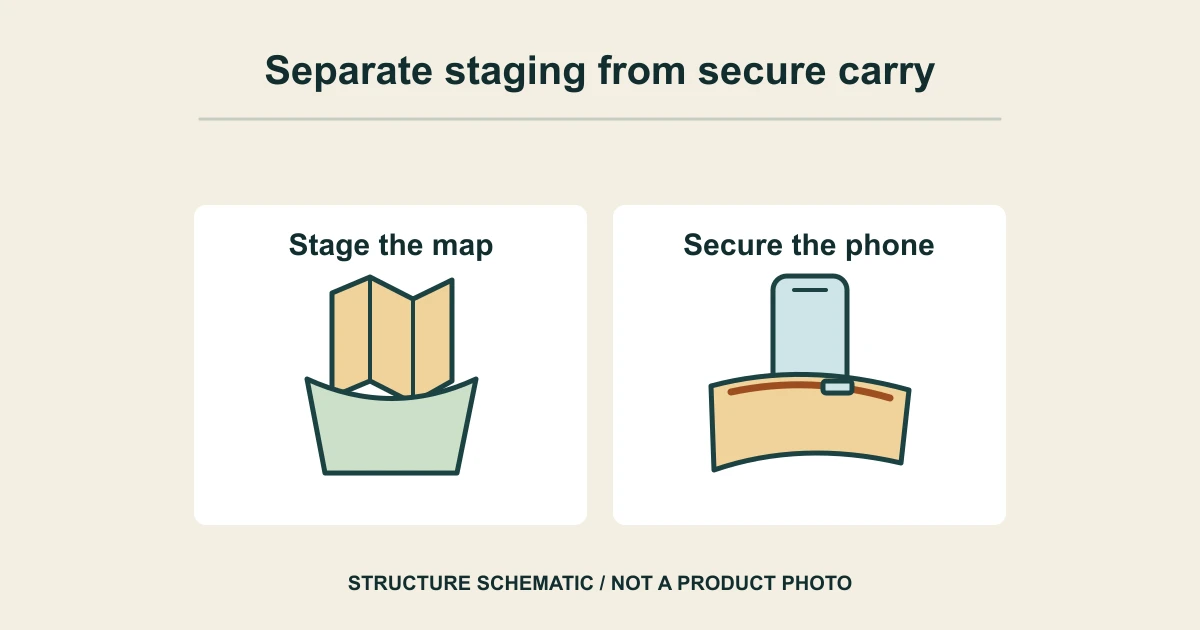
Give the supplier a sketch with two item paths and the following conditions: pack on, pack off on stable ground, and ready to move again. Include the actual objects or their dimensions, a filled neighboring pocket and the intended outer layer. Note any lost grip, snag or reclosure step that needs a second attempt.
This is not a test of how many pockets a daypack can carry. It is a handoff check between seeing an object, using it and securing it again. The two routes deserve separate roles even if both are advertised as quick access.
Discuss your bag development project
ANSON XIE
General Manager & Founder
Quanzhou Junkai Pengda Special Equipment Co., Ltd.
Email: ansonxie@jkpdtime.com
Phone: +86 177 5095 3355
WhatsApp: +86 177 5095 3355
Factory address: Floors 2–4, Building 1, Phase I, Huixin Intelligent Manufacturing Industrial Park, Hui'an County, Quanzhou, Fujian, China