
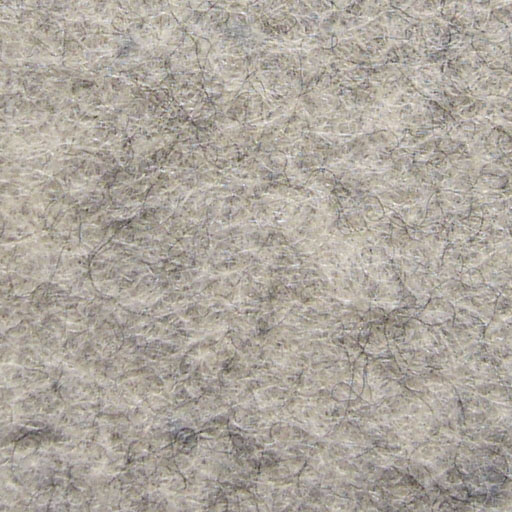
Photo: Asanagi. CC0 1.0 · Original source. Unmodified for this article. The photograph remains under its stated license; no endorsement, specific material grade or JKPD use is implied.

01
Start by defining what the word felt covers
A material line reading “3 mm felt” does not identify a sleeve, organizer or divider material sufficiently. Wool, wool blends and synthetic-fibre products can share the commercial description. Matching thickness alone does not establish composition, consolidation or surface feel.
Separate the request into fibre identity, the method holding the fibres together, and any finish or backing. Ask for mass percentages, article number and adhesive or laminate details. A brand team can shortlist by touch, but should approve against a complete specification. Colour and a photograph cannot identify the fibre composition of a production delivery.
02
Separate web formation from consolidation
EDANA distinguishes web formation, bonding and finishing. Needlepunching entangles fibres through repeated needle penetration; thermal and chemical bonding are different routes. The useful procurement question is how a particular article is consolidated.
FilzFelt describes a wool-felt route involving carding, moist mechanical felting and fulling. That sequence should not be presented as the manufacturing route for every PET needlefelt. The photograph above shows an interlaced-looking fibrous surface. It cannot identify the consolidation method, fibre percentages or production machinery. Obtain those details from the actual supplier rather than assigning a process from appearance.
03
Mass, thickness and apparent density answer different questions
Basis weight is mass per unit area. Thickness depends on how and where it is measured. Compare samples under the same conditioning, presser-foot area and pressure, and record positions across the roll. A nominal thickness without measurement conditions cannot explain why one sample feels lofty and another compact.
Worked density example
For unit interpretation only, suppose a sheet is 600 g/m² and measures 3 mm under an agreed procedure. Dividing mass by volume gives approximately 200 kg/m³ apparent density. This is an illustrative calculation, not a test result, cushioning rating or recommended specification. Record thickness after compression separately. A stiff hand should not be treated as proof of higher density.
04
Review lint, pilling and rubbing separately
For a device sleeve, inspect whether loose fibres transfer onto a dark device or lining. For an organizer, examine surface changes after repeated access. Name these development observations separately from laboratory results: pilling, abrasion, fibre shedding and colour transfer are different outcomes.
Compare equal-sized samples against the same contact surface and record the repetitions, pressure, direction and photographs used for judgment. Agree any formal laboratory method and acceptance level before making it an order requirement. A brief hand-rubbing demonstration does not establish lifetime resistance to pilling. A report for one blend or backing should not automatically cover another material version.
05
Match cutting and sewing to the part’s role
An exposed felt edge may be a deliberate design feature, but a neat edge is not evidence of a reliable connection. Review fibre loosening, corner marks and insertion wear on dividers. Assess the complete connection separately wherever a part carries a pulling load. A tidy stitch line cannot replace load evidence.
Keep straight, concave-corner and folded development coupons, recording needle, thread, stitch spacing, allowance and layer stack. Materials containing different fibres and adhesive layers should not share unverified hot-cutting or laser settings. Ask the material supplier to identify suitable processing, then check scorching, odour and edge hardening on actual coupons before approving production instructions.
06
Use manufacturing video as context for the discussion
Manufacturing footage can help a team discuss how loose fibres become sheet material. It cannot establish that a purchased article uses the same equipment or formulation. The supplier video below is supplementary viewing; this article does not rely on unreviewed production steps, operating speeds or performance conclusions.
If an insert is expected to protect its contents, define the item, loading situation and finished-product review method. Felt thickness, softness and footage of a factory do not independently establish a drop-protection or scratch-prevention rating. Keep the material explanation distinct from evidence about the assembled sleeve.
Related video: How Felt is Made | The Felt Store · The Felt Store
Supplementary viewing only. This external demonstration is not evidence of the pictured component, certification or finished-bag performance; consult current article-specific documentation.
A demonstration is not performance certification. If the player is unavailable, use the original link; internet access is required.
07
Build an approval that purchasing can actually use
Send the application and part location, fibre percentages, consolidation and backing, mass and thickness conditions, colour reference, and cutting, surface and seam review requirements. Reports should identify the material article, colour, batch and sample state. A raw-fibre declaration does not replace evidence relevant to the finished sheet.
Link the approved swatch to that specification before comparing prices or substitutes. Recheck affected feel, appearance and connection behaviour if the blend, adhesive or finish changes. For sleeves and organizers, the purchasing target is a traceable material construction with agreed acceptance conditions, rather than an unqualified description such as premium felt.
Related reading: Removable bag organizers.
Share the application, candidate material articles and available records through the JKPD project inquiry page.
Discuss your bag development project
ANSON XIE
General Manager & Founder
Quanzhou Junkai Pengda Special Equipment Co., Ltd.
Email: ansonxie@jkpdtime.com
Phone: +86 177 5095 3355
WhatsApp: +86 177 5095 3355
Factory address: Floors 2–4, Building 1, Phase I, Huixin Intelligent Manufacturing Industrial Park, Hui'an County, Quanzhou, Fujian, China