
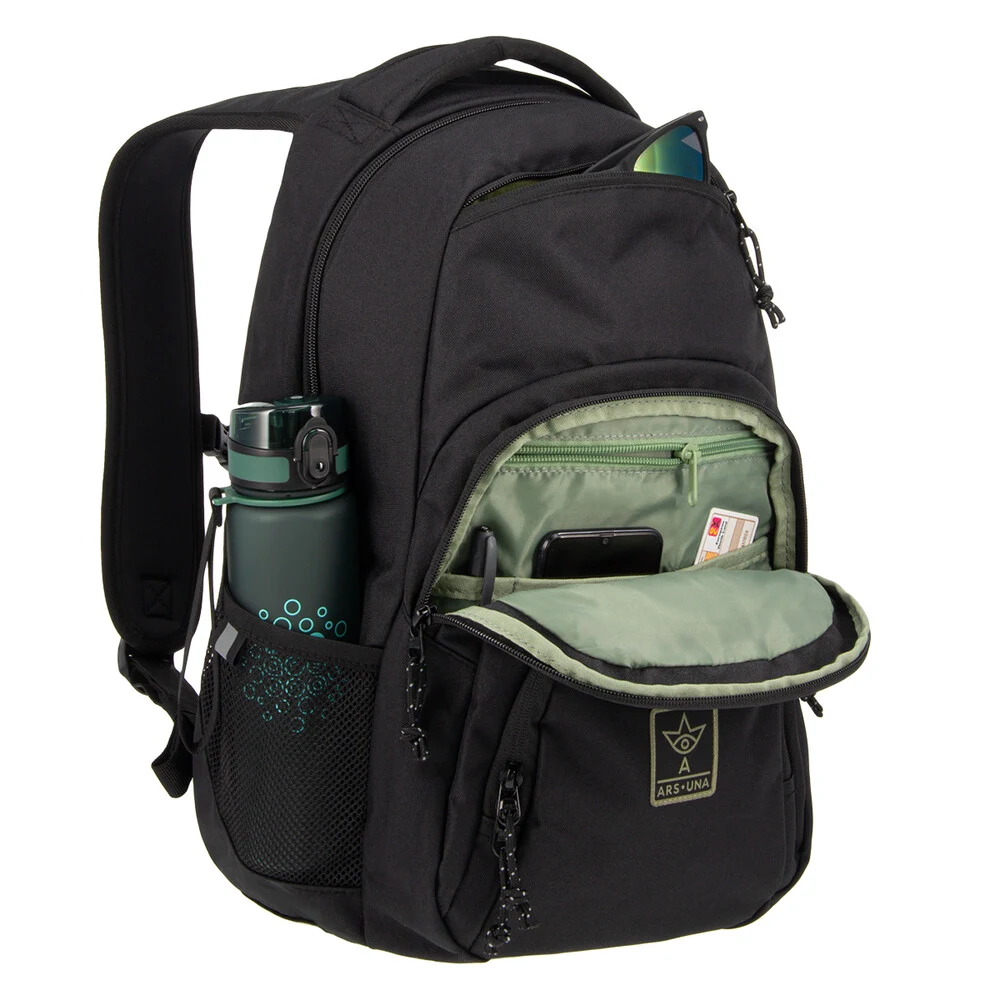
A light lining can provide a background for dark small items. Convenient retrieval also depends on how far the opening unfolds, how much of an object remains visible and whether the pocket base is below the user's line of sight. Compare lining color and organizer depth with the same realistic contents during backpack development.
Observe background contrast, exposed outlines and the hand's route with target objects. Record front-organizer and main-compartment conditions separately, then select lining color, divider height and opening construction around those tasks.
01
Identify the objects the user needs to find
Small keys, a dark case, cards and books present different outlines. Define an everyday object set in the brief. Observe which compartment the user opens, what becomes visible first and whether another item needs to move before the target position can be identified.
An object hidden underneath other contents can remain hidden after a lining-color change. Compare divider location and item orientation alongside the background. Giving a particular object a stable position can make the organization easier to understand, while a color decision can then be assessed against that defined arrangement instead of an unspecified collection of contents.
02
Compare the background through the real opening
The front-organizer photograph shows dark items against a pale green lining. Keep the objects, lighting and degree of opening consistent when comparing colors. Those conditions help the team observe how the background affects the visible outline rather than attributing every difference to the fabric shade.
A deep pocket or a partly opened panel can create shadow. Observe the principal use positions, such as a bag resting on a desk, on a lap or held while standing. Choose conditions that represent the intended task. A well-lit studio photograph supplies a color reference but cannot establish visibility across all everyday situations.
03
Coordinate divider height with the exposed outline
A divider needs to retain the object while leaving its location understandable. Examine the exposed upper edge, where the fingers enter and whether neighboring contents push the object flat against the wall. Depth should be discussed with the particular object's shape rather than set solely from the available panel area.
For similar-looking objects, compare stable locations or different divider outlines. Before adding another pocket, inspect how fully the existing area opens. A layout that requires repeated unfolding or moving contents may need an opening change as much as an additional divider. Review the complete search-and-retrieval action with the intended objects inside.
04
Treat the main compartment as a different visual task
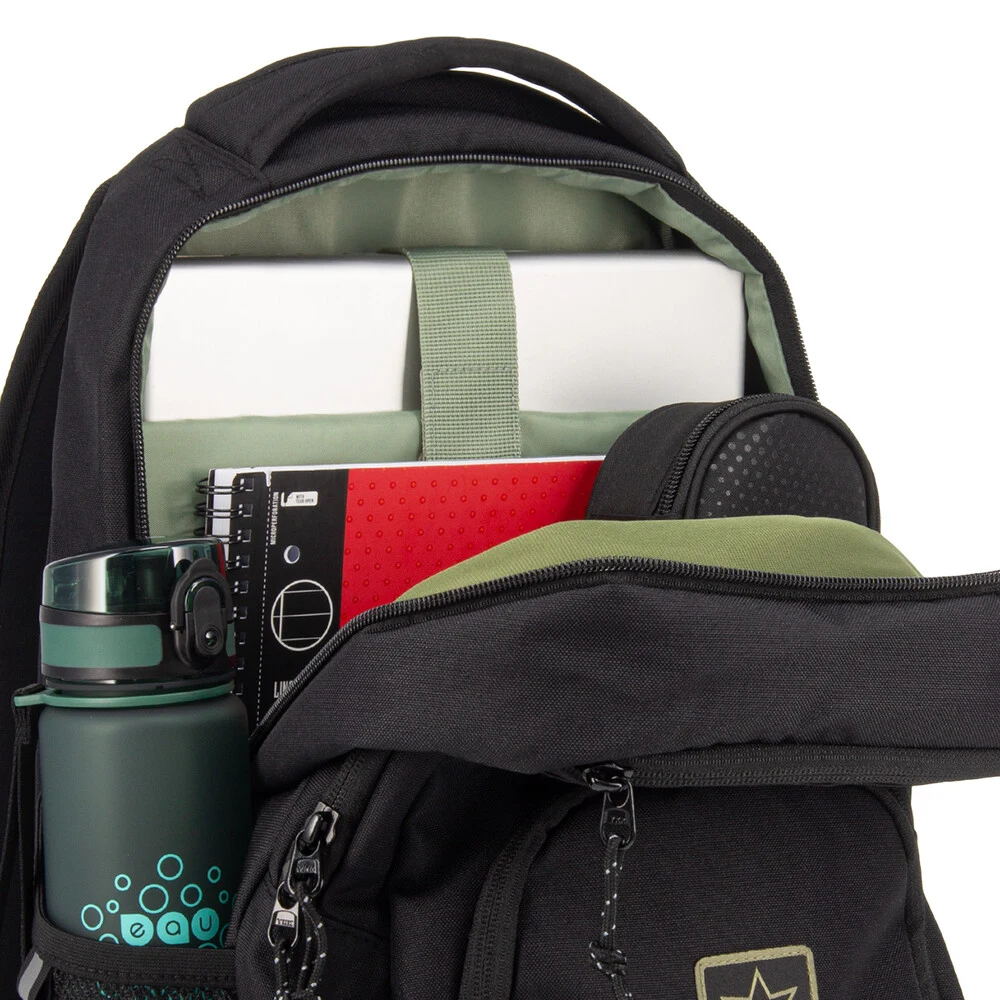
The open main-compartment photo contains larger flat items and books. Their scale and arrangement differ from the small front-organizer contents. Plan the larger items around the order in which they are needed, then observe whether small objects disappear between them as the bag fills.
Give small essentials a defined location when they need separate storage. If an additional organizer or internal pocket is proposed, compare both the area visible after opening and the route used to reach it. Inspect the arrangement at different intended load levels so an accessible location does not become obscured as surrounding contents change position.
05
Include access for inspection and cleaning
A pale surface can make contrasting debris or small objects easier to notice, while folds, corners and bound edges can still obscure them. Examine whether the pocket base can be opened out and whether the hand can reach areas that require cleaning. Those construction details matter alongside the color itself.
Specify care, colorfastness and abrasion requirements in the material information. The photographs describe color and arrangement. The selected fabric specification and its relevant verification should support the care instructions and performance statements used in the final product information. Keep those requirements with the approved shade rather than treating any pale fabric as interchangeable.
06
Keep comparison conditions consistent during sample review
Place the same objects in the proposed lining colors or divider arrangements and record the actions needed to locate a target item. If timing is required, define the start, finish, contents and participant conditions beforehand. The resulting record then describes the particular samples and task that were actually compared.
No timed retrieval or user study was conducted for this article. The suggested review method gives a development team a way to discuss changes in color, depth and opening movement under consistent conditions. Preserve the setup as well as the observations so a subsequent sample can be assessed against the same task.
07
Hand over color and construction together
Keep the approved sample identifiable
The procurement reference should include the approved lining swatch, target objects, finished divider dimensions, open-condition photographs and revision. When the shade changes, review its appearance under the agreed lighting conditions together with the established material requirements. Both color and construction contribute to the final arrangement.
The photographs come from the authorized original company library and retain their product markings. For more bag-development topics, visit the JKPD blog.
Related: student backpack mesh bursting strength. See the photographed product reference.
Discuss your bag development project
ANSON XIE
General Manager & Founder
Quanzhou Junkai Pengda Special Equipment Co., Ltd.
Email: ansonxie@jkpdtime.com
Phone: +86 177 5095 3355
WhatsApp: +86 177 5095 3355
Factory address: Floors 2–4, Building 1, Phase I, Huixin Intelligent Manufacturing Industrial Park, Hui'an County, Quanzhou, Fujian, China