
Review a soft handle in two parts: the grip and its attachment to the bag. A soft feel and tidy stitching do not establish that the connection meets a project requirement. Describe intended use before agreeing how to assess a sample.
01
Define the handling task
Is the handle for short transfers, loading a vehicle or routine carrying? Will users wear gloves? Must two handles meet in one hand? These details are more useful than an isolated request for extra padding.
Record intended contents and sample condition. Clearance can differ between an empty and loaded bag, while remote photographs give limited information about hand movement.
02
Check clearance with the bag packed
Define measurement points and review inserting, withdrawing and repositioning the hand. With paired handles, check where they meet and how they close. Look for pinching, interference with a zipper or obstruction of the opening.
Use photographs to locate an issue and physical handling to assess operation. Record an agreed user reference rather than extending one reviewer's experience to every user.
03
Review the grip separately
Assess width, edge feel, padding location and seam placement. Observe unwanted rolling, movement or bunching during the intended task. Greater thickness alone does not establish better comfort.
Substitute materials can support a shape discussion, but confirm final feel with the final material combination.
04
Inspect the complete attachment
Review handle ends, attachment pieces, bag panels and interior finishing together. Request relevant inside and outside views or construction notes. An external photograph cannot confirm a connection hidden behind lining. Discuss reinforcement choices with the actual material stack and structure.
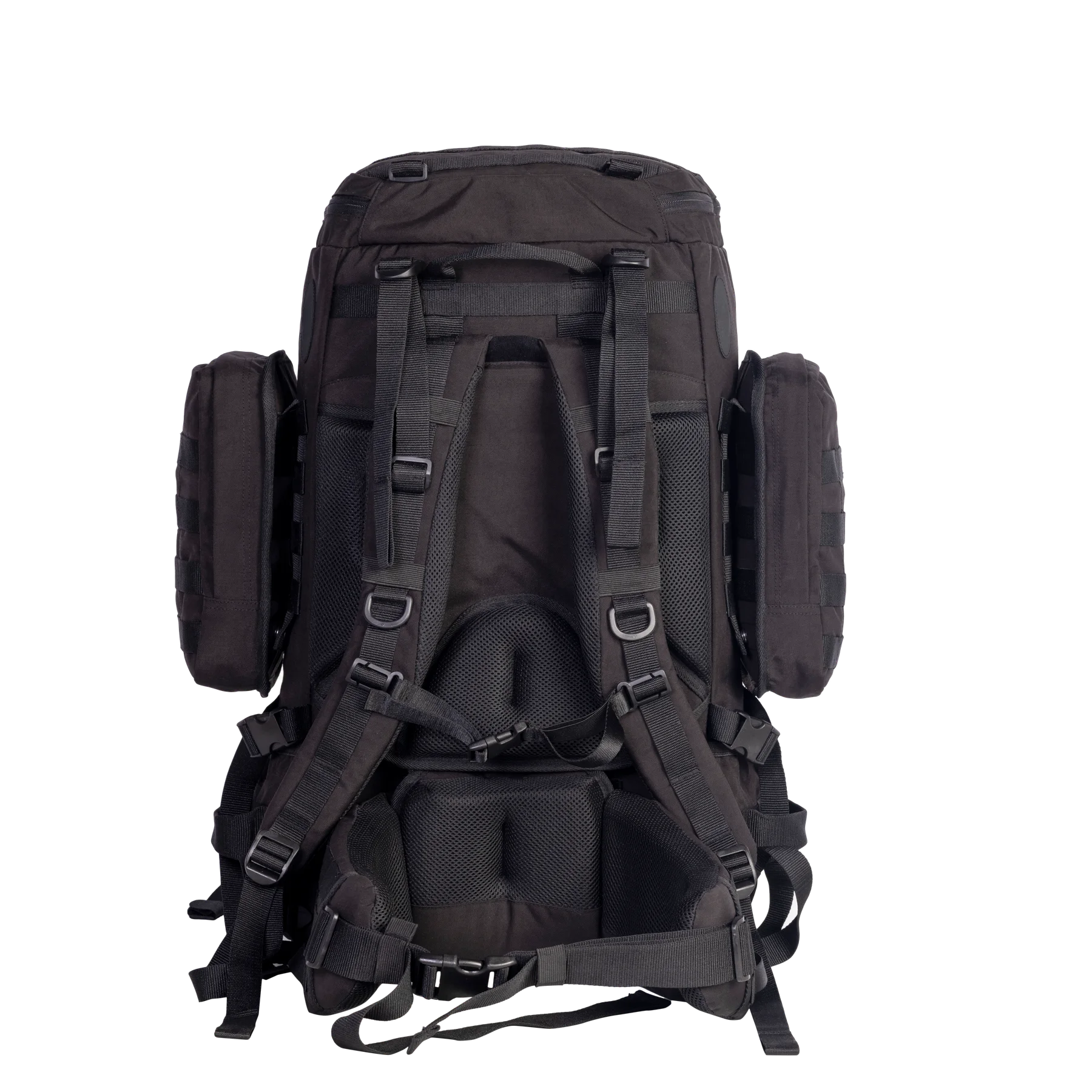
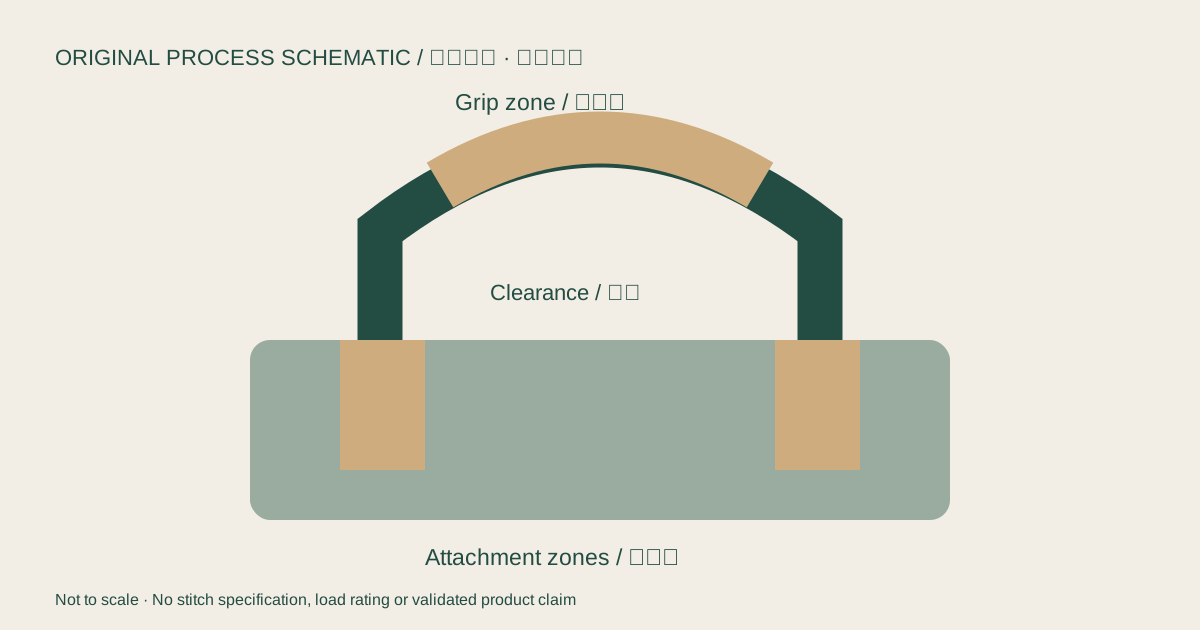
The real product image shows the location of a backpack's top handle only. It does not establish hidden reinforcement, thread specification or load performance. The original schematic separates grip and attachment review areas.
05
Agree relevant acceptance conditions
Define packing, handling, recorded observations and issue resolution with the development team. If load or repeated-use verification is required, agree the method and acceptance basis. One successful lift is not a product load rating.
Retain the sample revision, materials, inside and outside views and pending checks. Reassess affected items after a material or attachment change rather than carrying forward an old approval.
Share handling tasks, a packing list and handle references through the JKPD inquiry page to discuss a sports bag or equipment case sample.
Discuss your bag development project
ANSON XIE
General Manager & Founder
Quanzhou Junkai Pengda Special Equipment Co., Ltd.
Email: ansonxie@jkpdtime.com
Phone: +86 177 5095 3355
WhatsApp: +86 177 5095 3355
Factory address: Floors 2–4, Building 1, Phase I, Huixin Intelligent Manufacturing Industrial Park, Hui'an County, Quanzhou, Fujian, China