
Choosing an OEM backpack manufacturer is only the beginning of a successful product program. The quality of the first brief, the accuracy of the approved sample and the clarity of production requirements all shape the final result.
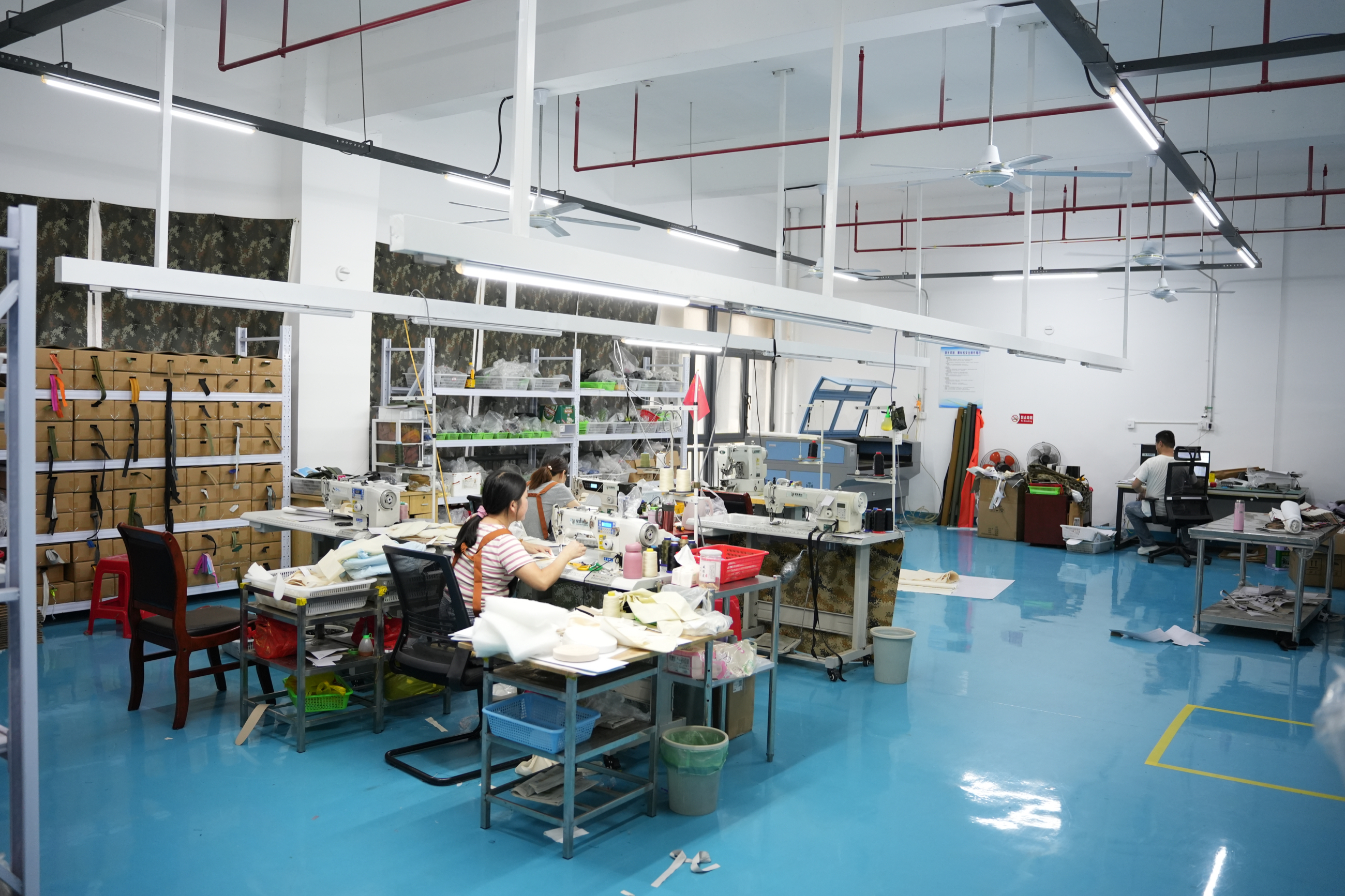
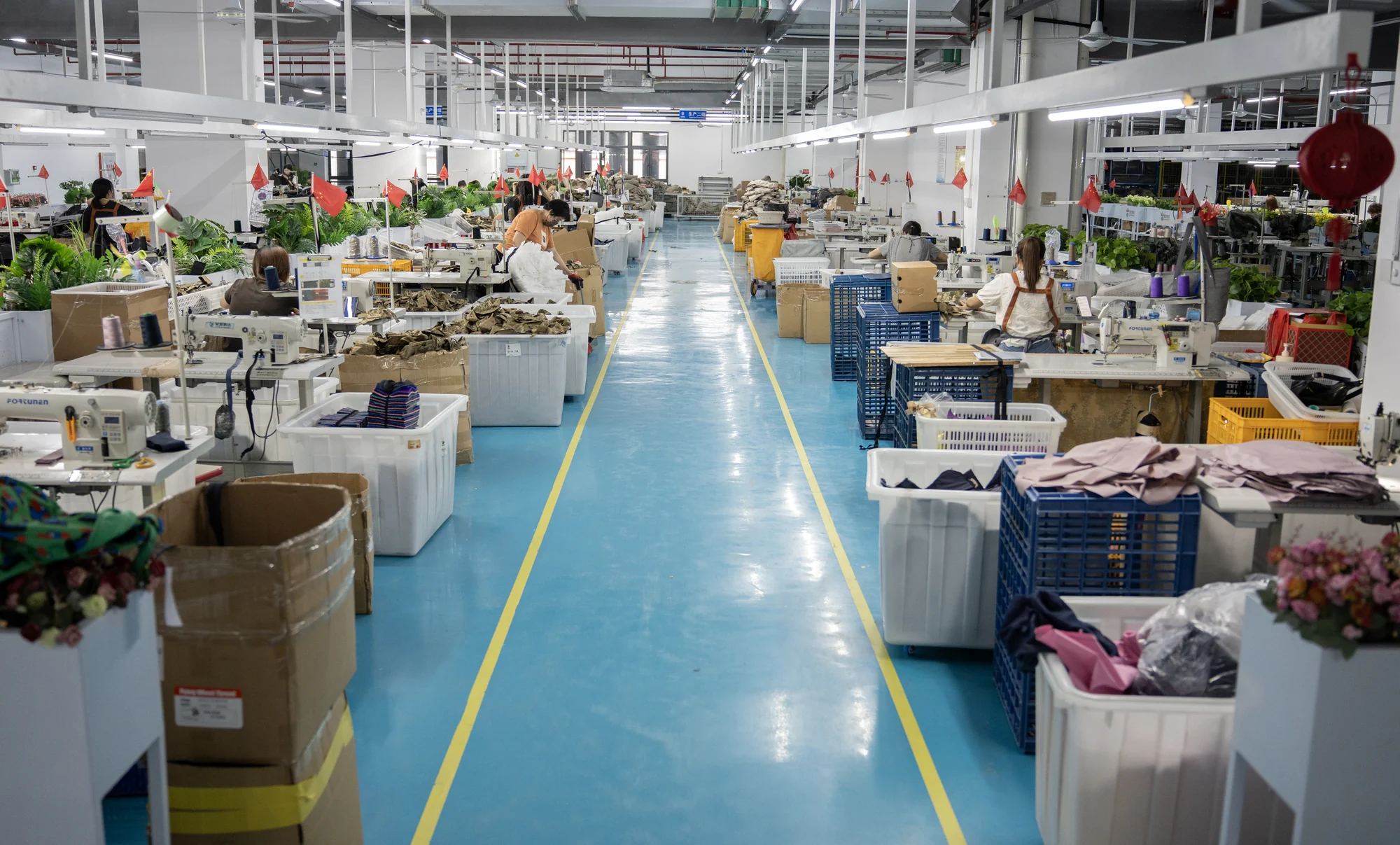
Our factory profile covers an 8,000 m² production facility, six lean production lines, more than 150 pieces of production equipment and more than 120 skilled workers. Those resources support production, but a dependable order still starts with clear information from both buyer and manufacturer.
This guide explains the practical six-stage route from an early product idea to shipment. It is written for outdoor brands, tactical brands, distributors, importers and sourcing teams preparing a custom backpack or sewn soft-goods project.
If your project is still at the document stage, use our focused guide to building a backpack tech pack for OEM sampling before sending the first sample request.
Key takeaways
- Start with intended use, target market, quantity and delivery expectations.
- Approve construction, materials, color, hardware and packing before production.
- Use one confirmed sample and specification as the production and inspection reference.
- Connect quality checkpoints from incoming material through final packing.
01
What Should Be in the First Product Brief?
A useful product brief gives the factory enough information to evaluate construction, materials, production feasibility and commercial fit. It does not need to be a finished technical document, but it should clearly explain what the product must do and who will use it.
- Product type and intended use. Explain whether the project is a hiking backpack, tactical pack, hydration vest, business bag, student bag or another soft-goods product.
- Target market. State the destination country, customer type and any market-specific labeling, testing or packing requirements known at this stage.
- Expected quantity. Provide a realistic initial order estimate and possible repeat-order volume.
- Target delivery date. Work backward from the required arrival date, not only the factory completion date.
- Reference information. Include a tech pack, drawings, physical sample or photos that clarify the intended construction.
- Commercial positioning. Share the expected quality level, target price range and sales channel when available.
The strongest first briefs explain the intended user and function before listing material names. The first review should identify missing information before sampling begins, preventing assumptions about size, materials, hardware or function.
02
How Does the Factory Turn a Brief Into a Prototype?
The prototype converts the buyer's idea into a physical construction that can be measured, worn, opened, loaded and reviewed. At this stage, the goal is not speed alone. The goal is to reveal issues before they become production problems.
The development team interprets the reference information and reviews panel shapes, pocket positions, reinforcement areas, strap geometry, closures, lining, padding and assembly order. Patterns are then prepared or adjusted around the intended dimensions and functions.
- Does the capacity match the intended use?
- Are shoulder straps and load-bearing areas positioned correctly?
- Can the sewing and assembly sequence be repeated in production?
- Are zippers, buckles and adjustment points easy to operate?
- Does the product present the brand in the intended way?
A prototype is a decision tool, not a promise that every detail is final. Buyers should return structured comments with measurements, annotated photos and a clear approval status. Our OEM and ODM development process keeps prototype sampling and sample revision as separate stages for this reason.
03
How Are Materials Confirmed Before Production?
Material confirmation should connect performance, appearance, availability and cost. A fabric name alone is rarely enough because coating, weight, weave, color, finishing and supplier variation can change how the finished product looks and performs.
- outer fabric, reinforcement fabric, lining, mesh and foam
- binding, webbing, elastic and hook-and-loop material
- zippers, sliders, buckles and other hardware
- labels, logo applications and packaging components
Each selected component should be recorded in the product specification or bill of materials. A physical color reference is preferred whenever visual consistency matters. If a buyer requires a named material, test report or compliance document, that requirement should be confirmed before purchase.
Availability also affects the schedule. The most practical choice is the material that meets the agreed product requirement and can be sourced consistently for the intended order.
04
What Must Be Approved Before Mass Production?
Mass production should begin only after the product reference and commercial requirements are aligned. The approved sample, specification and order documents must describe the same product.
One common mistake is approving a sample while leaving later email changes outside the specification. The safest release point is a clear written approval linked to the final sample version. Production planning can then translate the approved product into material preparation, cutting, sewing, assembly and quality checks.
05
How Is Quality Controlled During Production?
Quality control works best as a sequence of defined checks, not only a final inspection. The product specification, approved sample and packing instructions should connect to every production stage.
- Incoming material inspection: checks key fabrics, colors, trims and hardware before production.
- First-piece approval: reviews initial output before the production line continues at scale.
- In-line inspection: monitors stitching, reinforcement, alignment, component use and workmanship.
- Functional review: checks relevant zippers, buckles, straps, compartments and closures.
- Final inspection: reviews appearance, measurements, workmanship, function and labeling.
- Packing inspection: checks packing, quantities, labels and carton marks before release.
Inspection details should match the product. A tactical vest, hydration pack and laptop backpack do not have identical risk points. Acceptance requirements and functional checks must be agreed around the actual construction and market need. See our full quality control process.
06
What Happens Before Shipping?
Shipment preparation confirms that the approved product is packed, labeled and documented for the agreed delivery plan. It is the final point where product, packing and order quantities come together.
The packing team follows confirmed instructions for protective materials, individual packaging, labels, carton quantity and carton marks. The final review should compare packed goods with the order breakdown and approved packing specification.
Buyers should confirm the shipping contact, destination, trade terms and required commercial documents early enough for coordination. Product completion and cargo departure are different milestones, so both sides should allow time for booking, loading and document preparation.
Avoidable delays
Common Mistakes to Avoid
Starting with only a product photo. A photo can show style, but not dimensions, materials, internal structure or performance expectations.
Changing materials after sample approval. A new fabric or buckle can alter appearance, construction and cost.
Sending feedback through multiple channels. Comments split across email, chat and annotated images can conflict. Consolidate every change into one dated revision list.
Leaving packing decisions until production is complete. Labels, polybags, hangtags and cartons may require their own preparation time.
Treating final inspection as the only quality step. Use first-piece and in-line checks to identify repeated issues earlier.
Production readiness
What Does a Production-Ready Project Look Like?
A production-ready project has one approved product sample, one current specification and one confirmed order plan. Materials, branding, workmanship, packing and inspection requirements all point to the same result.
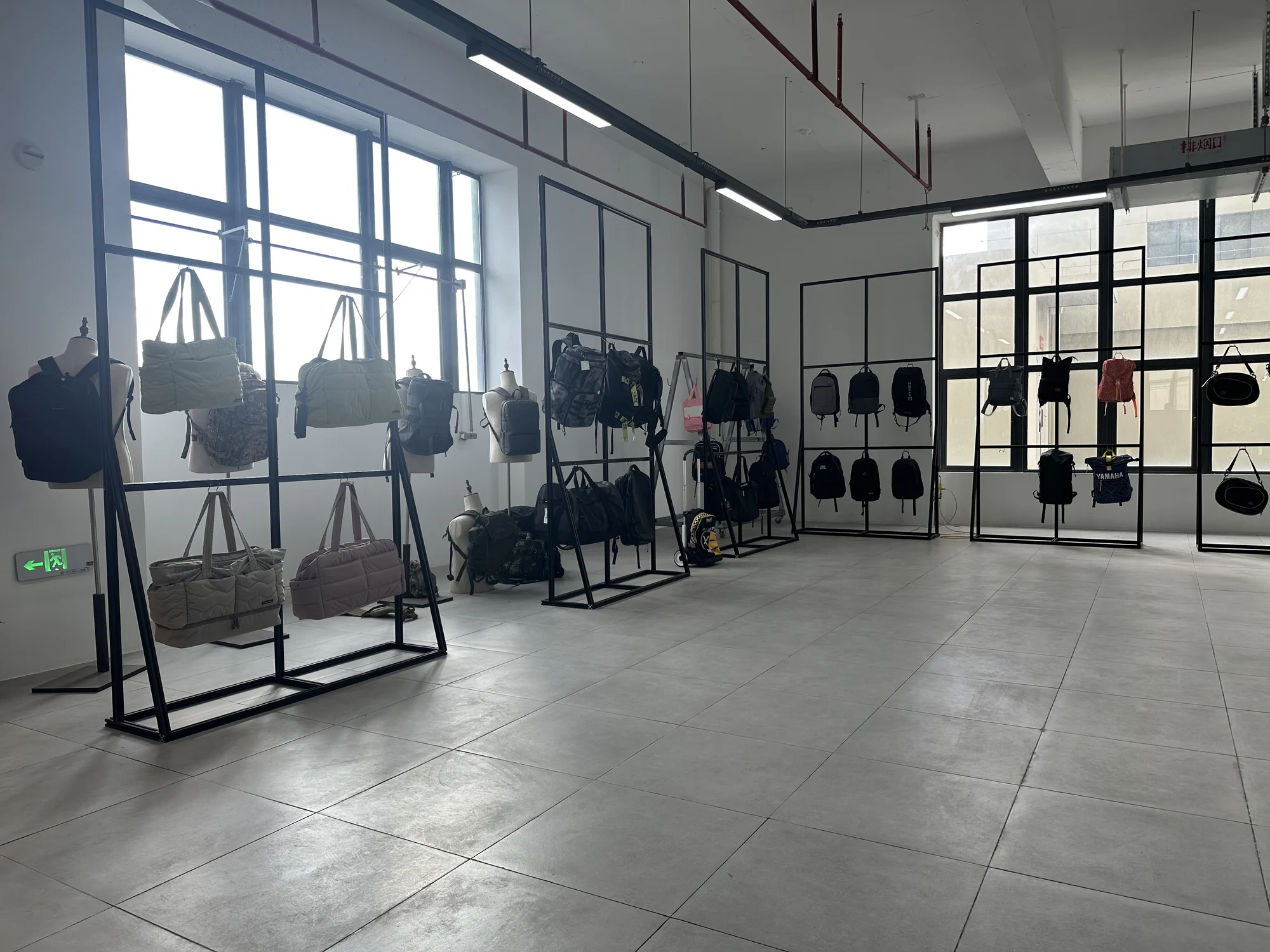
The buyer should be able to identify exactly what was approved. The factory should be able to translate that approval into repeatable production steps. Brands still selecting a direction can review our current product categories as development references for material, color, structure, hardware, branding and packing changes.
FAQ
Frequently Asked Questions
Can I start an OEM backpack project without a complete tech pack?
Yes. A reference sample, sketch, photos and a clear description of intended use can support an initial review. Dimensions, construction and material details still need to be confirmed during development before production.
What can be customized on a backpack?
Common options include material, color, dimensions, pocket layout, straps, padding, hardware, logo application, labels and packaging. The practical range depends on structure, quantity, target cost and material availability.
Can an existing product be used as the starting point?
Yes. An existing reference can shorten the early definition stage because the basic construction is visible. The revised version still requires its own sample and approval when materials, dimensions or functions change.
How many samples are needed before production?
There is no fixed number for every project. A simple material or color change may require fewer revisions than a new technical construction. Production should begin only when the final sample and specification are clearly approved.
What information is needed for an initial quotation?
Send the product type, reference files, dimensions, materials if known, estimated quantity, branding requirements, packing needs and delivery destination. More complete information allows the factory to evaluate the project more accurately.
Start a manufacturing review
Preparing a custom bag project?
Send the intended product, target quantity, destination market and expected timeline. Our factory team will suggest a practical next step.
Send your product brief