
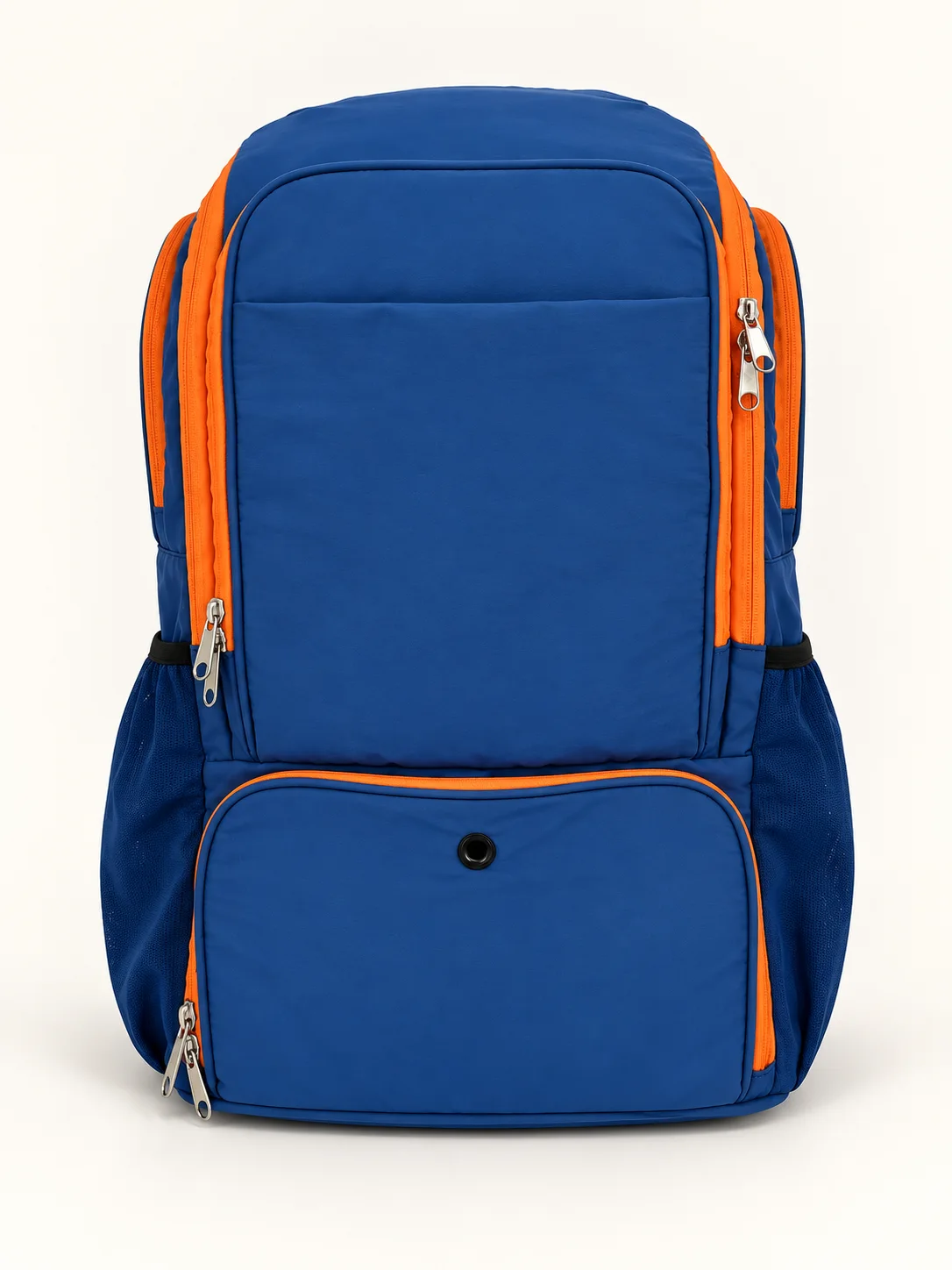
A pickleball bag can look spacious in a product photo and still be awkward at the court. The paddles fit, but their handles catch the opening. The shoe compartment works until someone packs a change of clothes. A full bottle pushes into the space meant for a phone.
These are layout problems, not problems that another pocket will necessarily solve.
For brands developing a custom pickleball bag, the starting point should be a realistic packing list. Decide what the player carries, which items need separation, and what must remain easy to reach when the bag is full. Then build the shape around those requirements.
01
Start with the player’s routine
A compact bag for an evening game and a backpack for a full tournament day should not share the same brief.
Before choosing dimensions, put the intended contents on a table. Include the actual paddles, their covers if used, balls, a filled bottle, clothing, and everyday personal items. Add shoes only if separate footwear storage is part of the product’s purpose.
Then ask practical questions:
- Does the player travel directly from home, or arrive after work?
- Will the bag hang from a fence or sit on the ground?
- Should the paddles be accessible without opening the main compartment?
- Does the player need room for a jacket after warming up?
- Which items should remain accessible while the bag is hanging?
This exercise helps distinguish essential features from features added simply because another bag has them.
02
Build the paddle compartment around the real paddle
The paddle compartment needs more than enough internal length. Its opening must also let the paddle pass through comfortably.
Check the widest part of the paddle, the handle position, and any cover included in normal use. A sleeve can measure correctly inside but still have an opening that is too narrow or a zipper path that makes removal awkward.
For a bag intended to carry multiple paddles, try the complete set together. A divider may reduce contact between them, but it also takes up space and adds another sewn component.
Pay attention to where the handles sit. They should not push against the main zipper or obstruct access to another pocket. If the design leaves handles exposed, show that clearly in the product description rather than implying full enclosure.
A useful sample check is simple: pack the rest of the bag first, then remove and replace the paddles. Empty-bag fitting alone can miss interference between compartments.
03
Decide what the shoe compartment is allowed to occupy
A shoe compartment usually takes space from somewhere else. If its lining expands into the main cavity, adding shoes reduces the room available for clothing.
That is not automatically a poor design. It becomes a problem when the product promises both spaces as though they were independent.
Choose the intended arrangement early:
- An internal shoe tunnel keeps the exterior compact but shares the main volume.
- A more structured lower compartment separates the layout more clearly but adds bulk.
- A removable shoe pouch offers flexibility but requires the user to manage a separate item.
Use the intended footwear size range when checking the sample. One small pair of shoes is not a sufficient reference for a product sold to a broad adult audience.
Ventilation and containment also need separate decisions. An open mesh area permits airflow, but it does not isolate moisture or dirt. A wipe-clean lining may help with cleaning, but it should not be described as leakproof without checking the complete construction.
04
Keep the bottle pocket from distorting the bag
Test the bottle pocket with a filled bottle while the main compartment is packed.
The pocket should allow removal without pulling the whole bag sideways. Its opening should retain the intended bottle during ordinary carrying, while remaining manageable for the user.
If the bottle presses into the paddle compartment, first review the pocket’s position and how it shares space with the body. Simply tightening the elastic may make access harder without fixing the underlying conflict.
For a side pocket, compare the bag with and without the bottle. The load may change how it hangs from a shoulder strap or fence attachment.
Small personal items deserve their own check. A phone pocket placed directly behind a heavily loaded bottle pocket can lose useful space, even when both pockets look generous on a flat drawing.
05
Choose materials by location, not by one fabric label
The bottom, paddle lining, shoulder straps, and outer front panel do different jobs. They do not necessarily need the same material.
For the base, consider contact with rough surfaces and the intended cleaning method. For the paddle compartment, examine lining texture, exposed seam edges, and any hardware that could contact the equipment.
For the exterior, compare actual fabric samples rather than relying on a description such as “heavy-duty polyester.” Ask the supplier to identify the fabric construction, backing or coating, weight, and available performance data.
Material changes also affect assembly. Replacing a flexible panel with a stiffer fabric may change how a curved opening behaves, even if the pattern stays the same.
Zippers need the same attention. YKK’s technical manual includes product-specific sewing and usage precautions, so a zipper should be selected for the intended construction rather than appearance alone. Refer to the chosen supplier’s instructions during sampling. YKK Zipper Usage Instruction Manual
06
Review the loaded sample before approving the layout
A useful approval session should resemble use, not a studio photo shoot.
Pack the agreed contents, close every compartment, and check the following:
- Can the paddles come out without unpacking other items?
- Do the shoes leave the promised space for clothing?
- Does the bottle pocket remain accessible?
- Can the user reach keys and a phone while the bag is hanging?
- Do handles, straps, and attachment points pull the body into an awkward shape?
- Do the zippers move freely without the user squeezing the bag closed?
Record problems by location and packing condition. “The bag feels tight” is difficult to act on. “The upper paddle corner presses against the zipper when shoes are packed” gives the development team a specific problem to solve.
Agree on durability checks separately. A functional packing review does not establish a load rating or prove long-term performance.
FAQ
Questions buyers often ask
Does every pickleball bag need a shoe compartment?
No. For a compact court bag, it may add unnecessary volume and sewing work. Include it when separate footwear storage serves the intended user, and show how it affects the remaining packing space.
Can a tennis bag design be adapted for pickleball?
It can provide a starting point, but the equipment layout still needs a fresh review. Check paddle access, handle placement, ball storage, and carrying balance rather than only changing the logo and product name.
Should the first sample include every proposed feature?
The first functional sample should include features that affect space and construction. Decorative details can follow, but leaving out a shoe tunnel or internal divider may hide problems that appear once those components are added.
A clear layout makes a stronger product brief
Before requesting a quotation, prepare a packing list and mark which compartments are essential. Include reference equipment dimensions and explain how the bag will be carried.
You can review the pickleball bag range for starting formats, then use the project inquiry page to discuss the changes your product needs.
The aim is not to fit the most pockets into a bag. It is to make the right items easy to carry and easy to reach.