
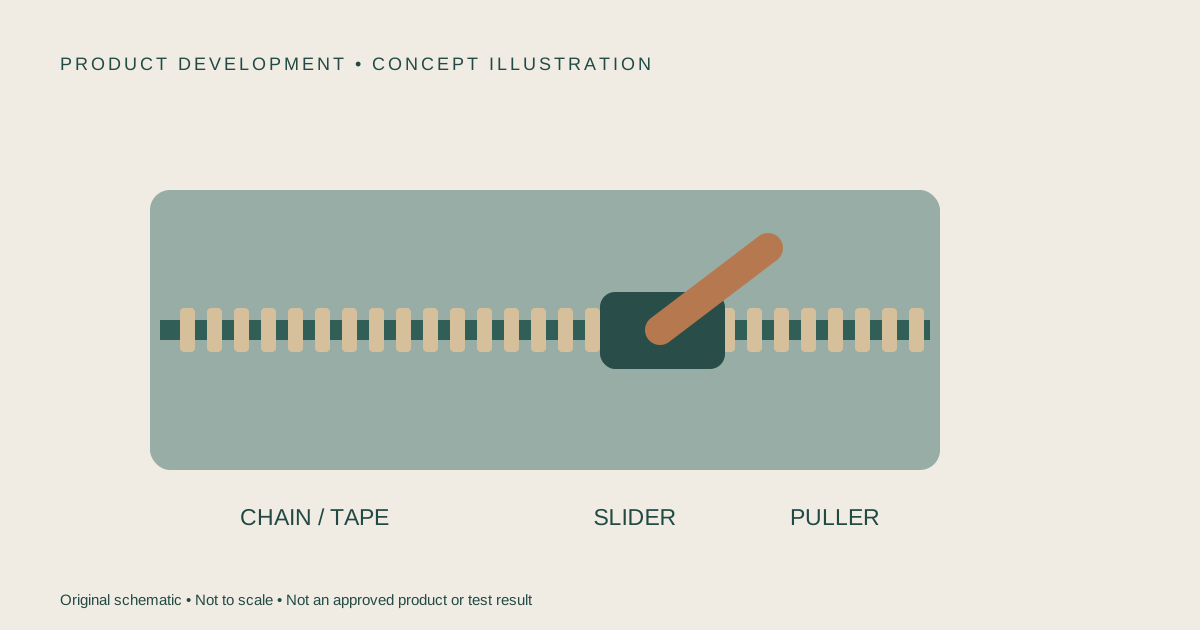
A zipper sample library should record the complete combination, not just a photograph of an attractive puller. Once a brand selects an appearance, purchasing still needs to identify the chain, slider, puller, length and assembly arrangement. Traceable records turn selection into a usable development requirement.
01
Give every combination an identity
Record the zipper chain, slider and puller together with supplier codes and a sample-card ID. Identify whether the combination is intended for a main compartment, exterior pocket or lining pocket, and describe the opening direction.
Similar appearance does not establish identical specification. Keep old and new samples when a supplier or combination changes. Photographs support remote discussion, while final color, handling and fit need an agreed confirmation method.
02
Approve color, finish and operation separately
Color review compares tape and puller against the target reference. Finish review covers gloss, texture and surface treatment. Operation review checks slider travel and puller handling. Record each decision separately so color approval is not mistaken for complete component approval.
Review the zipper beside the intended fabric, including adjacent colors and thickness. Phone photographs can identify a concern but should not replace an agreed physical color reference.
03
Review the zipper in its assembled location
Smooth operation of a loose zipper does not establish the same result after sewing. Curves, lining position and sewing clearance need review in the intended construction.
YKK's sewing guidance explains that a slider needs clearance on both sides and that sewing too close to the elements can cause fabric catching or heavier operation. Clearance varies with size and use arrangement; avoid applying one fixed spacing to every bag.
04
Keep sample approval separate from performance claims
A sample card supports appearance and preliminary fit decisions. Performance statements require relevant component information and validation conditions. A coated appearance or brand name does not establish finished-bag performance.
State what must be verified, the assembled condition and the acceptance basis. Avoid waterproof, load or lifetime claims without supporting information.
05
Compare incoming material with the approved combination
Review supplier codes, colors, lengths, component combinations and purchase requirements. Retain the approved reference and batch identification, then follow the agreed inspection plan for quantity and performance checks.
When a different slider or puller is proposed, assess more than appearance. Review the substituted combination in its intended location and document the approval scope. A lining-pocket approval should not automatically apply to a main opening.
06
Make the library searchable
Records can include the physical ID, supplier, component details, intended use, approval date, images, storage location and status. Separate pending, approved, temporary and discontinued entries to reduce ambiguity in future projects.
For opening layout, see JKPD's travel backpack zipper article. Share sample photographs and combination requirements through the project inquiry page when discussing a new build.
Discuss your bag development project
ANSON XIE
General Manager & Founder
Quanzhou Junkai Pengda Special Equipment Co., Ltd.
Email: ansonxie@jkpdtime.com
Phone: +86 177 5095 3355
WhatsApp: +86 177 5095 3355
Factory address: Floors 2–4, Building 1, Phase I, Huixin Intelligent Manufacturing Industrial Park, Hui'an County, Quanzhou, Fujian, China