
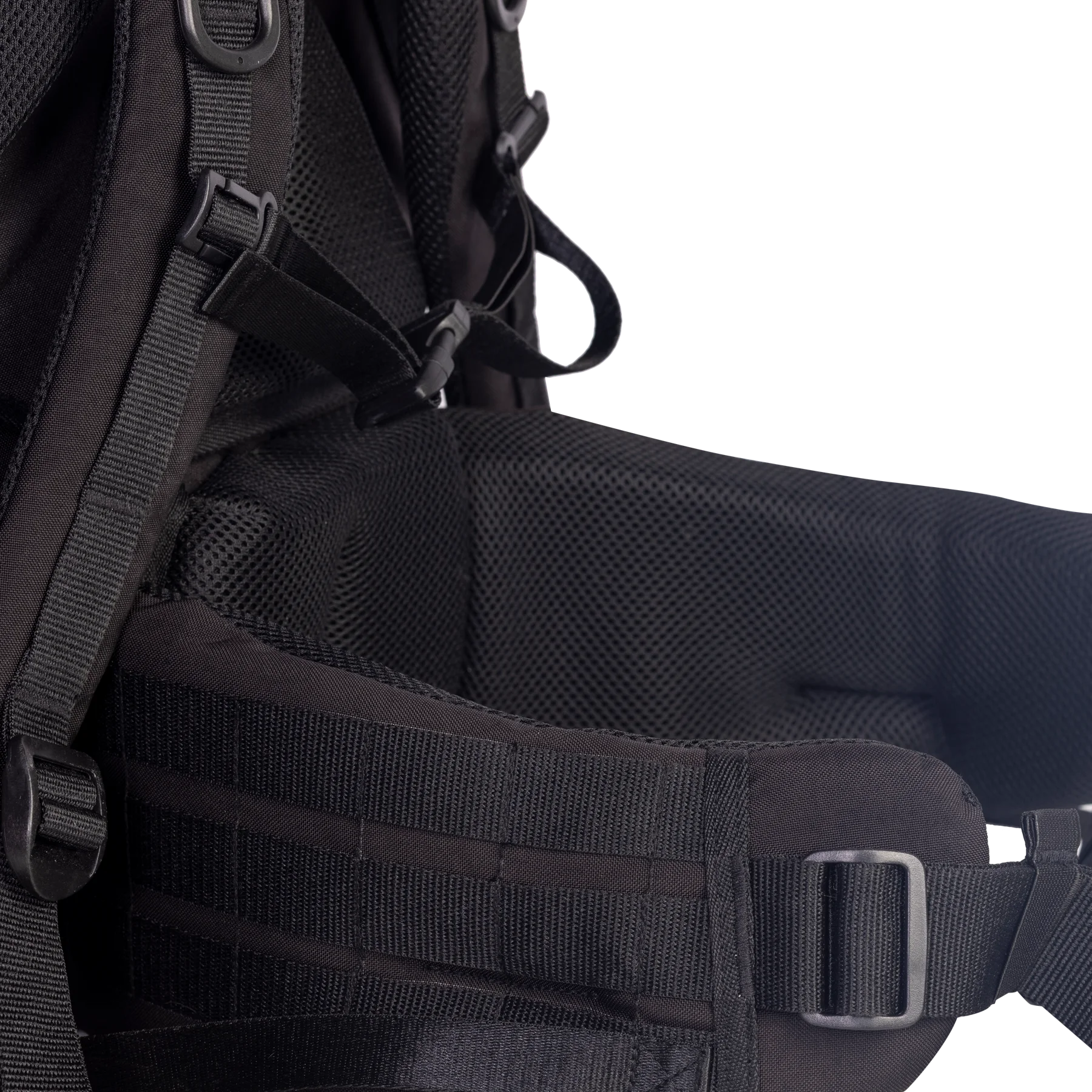
Choose bag hardware around the connection it must provide. Quick closure, length adjustment, removable shoulder straps and external retention are different tasks. Describing the action and direction of force gives design, purchasing and sampling teams a shared basis for review.
01
Write a separate requirement for each connection
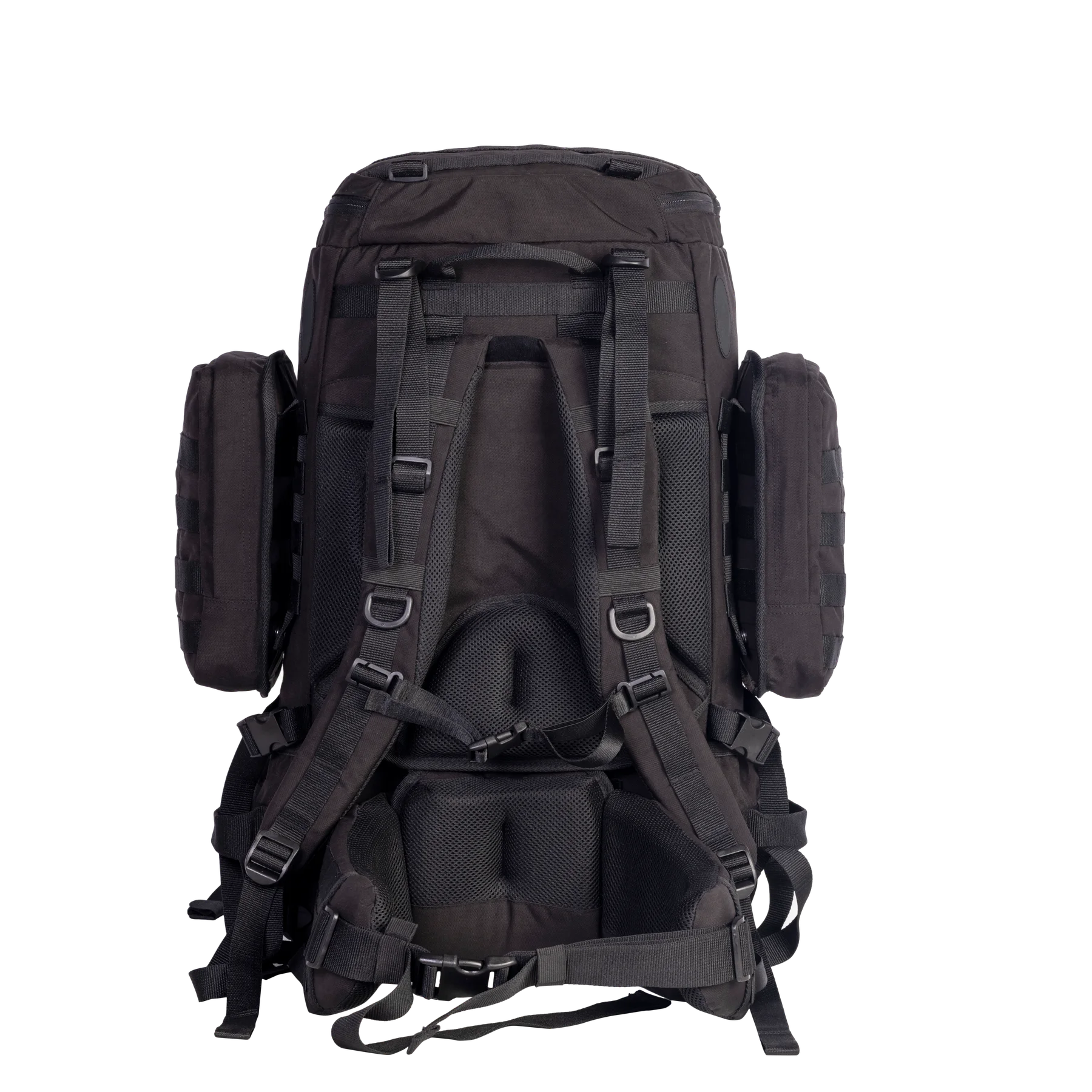
A shoulder-strap connector, sternum-strap buckle and webbing adjuster do different jobs. Record what each connects, how often it is operated, its orientation and whether removal is required.
Terms such as strong and easy to use need practical definitions. Specify glove use, one-handed operation, position retention after adjustment and the possibility of accidental release. These questions make candidate comparison more useful.
02
Review webbing and hardware together
Matching nominal widths do not guarantee a suitable combination. Webbing thickness, surface texture and hardware openings can affect threading, adjustment and retention. Use the intended materials in the physical sample.
Record the threading path and end treatment so sample versions remain comparable. Check whether the webbing lies flat, slips after adjustment or leaves a tail that obstructs operation. Reassess the combination when the webbing material changes.
03
Check movement at removable connections
A moving connector may help a shoulder strap align with the user, but its location can also create collisions, trapped fabric or unwanted swinging. Assess the hardware as part of the bag rather than as an isolated component.
Review empty, loaded and shoulder-carried conditions. Look for pressure against the body, interference with zippers and insufficient finger clearance during removal. A rotating part alone does not prove that the complete strap arrangement avoids twisting.
04
Review easy release and secure retention together
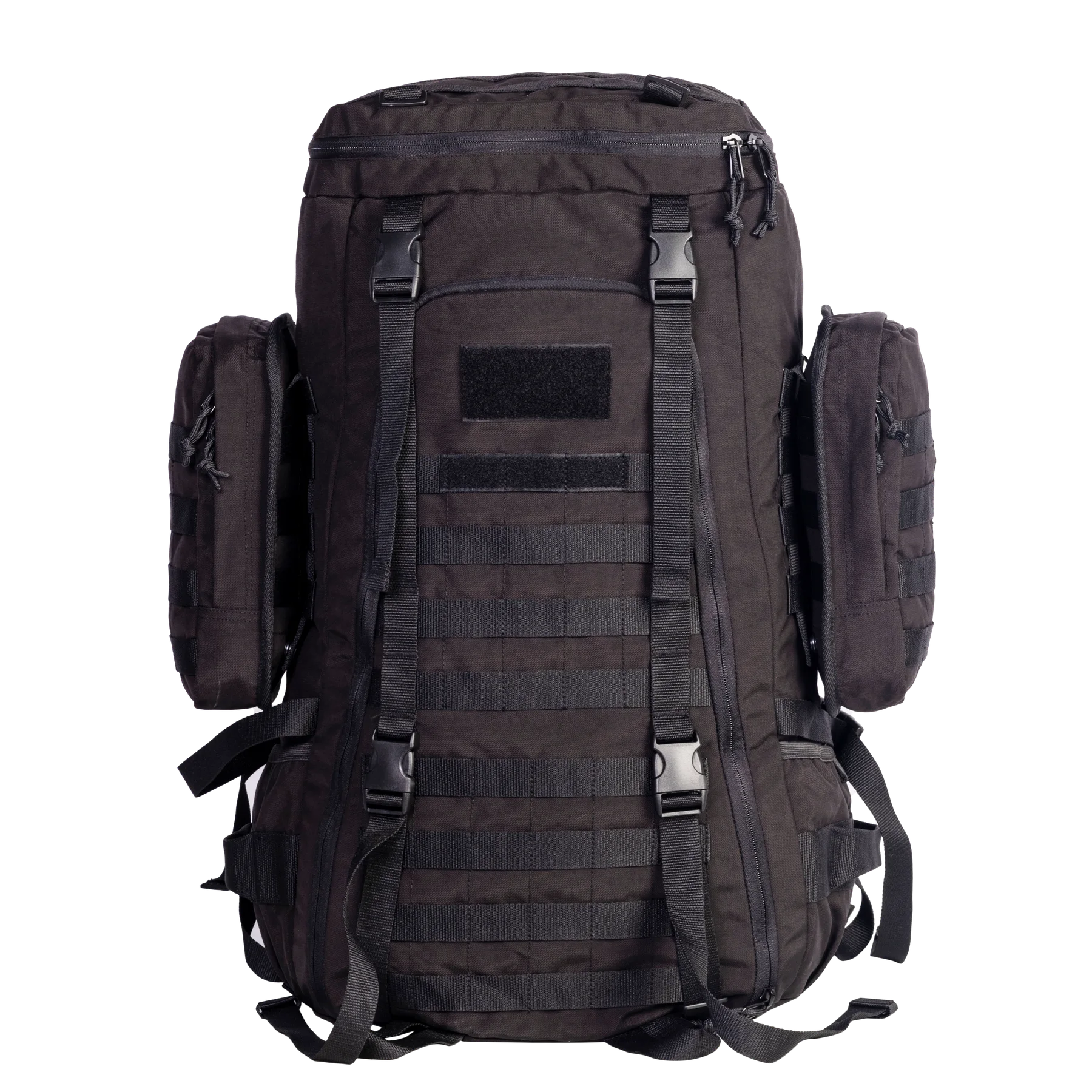
Easy opening and reliable retention are separate requirements. Walk through carrying, setting the bag down, accessing contents and storing it. Watch for compression or snagging at the release mechanism.
If glove use is part of the brief, review that condition. Children's products, animal restraint and other specialized applications need their own applicable requirements. Load or safety claims require a defined validation basis.
05
Keep appearance and performance reviews distinct
Color, gloss and touch matter, but they do not establish connection performance. Agree checks around likely issues, including repeated operation, combination slippage, loaded connections and changes after surface rubbing.
Avoid unsupported claims such as lifetime durability or never rusts. Keep material, finish and inspection information traceable where possible, then confirm requirements for the intended environment.
06
Manage changes through a component list
Record the component code, purpose, dimensions, paired webbing, finish, supplier and sample version. Keep substitutions with the complete bag sample record so a later material change receives the appropriate review.
Before developing a custom shape, compare existing options against the required appearance, operation and commercial conditions. Share hardware location drawings, use scenarios and material references through the JKPD project inquiry page to support a project-specific discussion.
Discuss your bag development project
ANSON XIE
General Manager & Founder
Quanzhou Junkai Pengda Special Equipment Co., Ltd.
Email: ansonxie@jkpdtime.com
Phone: +86 177 5095 3355
WhatsApp: +86 177 5095 3355
Factory address: Floors 2–4, Building 1, Phase I, Huixin Intelligent Manufacturing Industrial Park, Hui'an County, Quanzhou, Fujian, China