
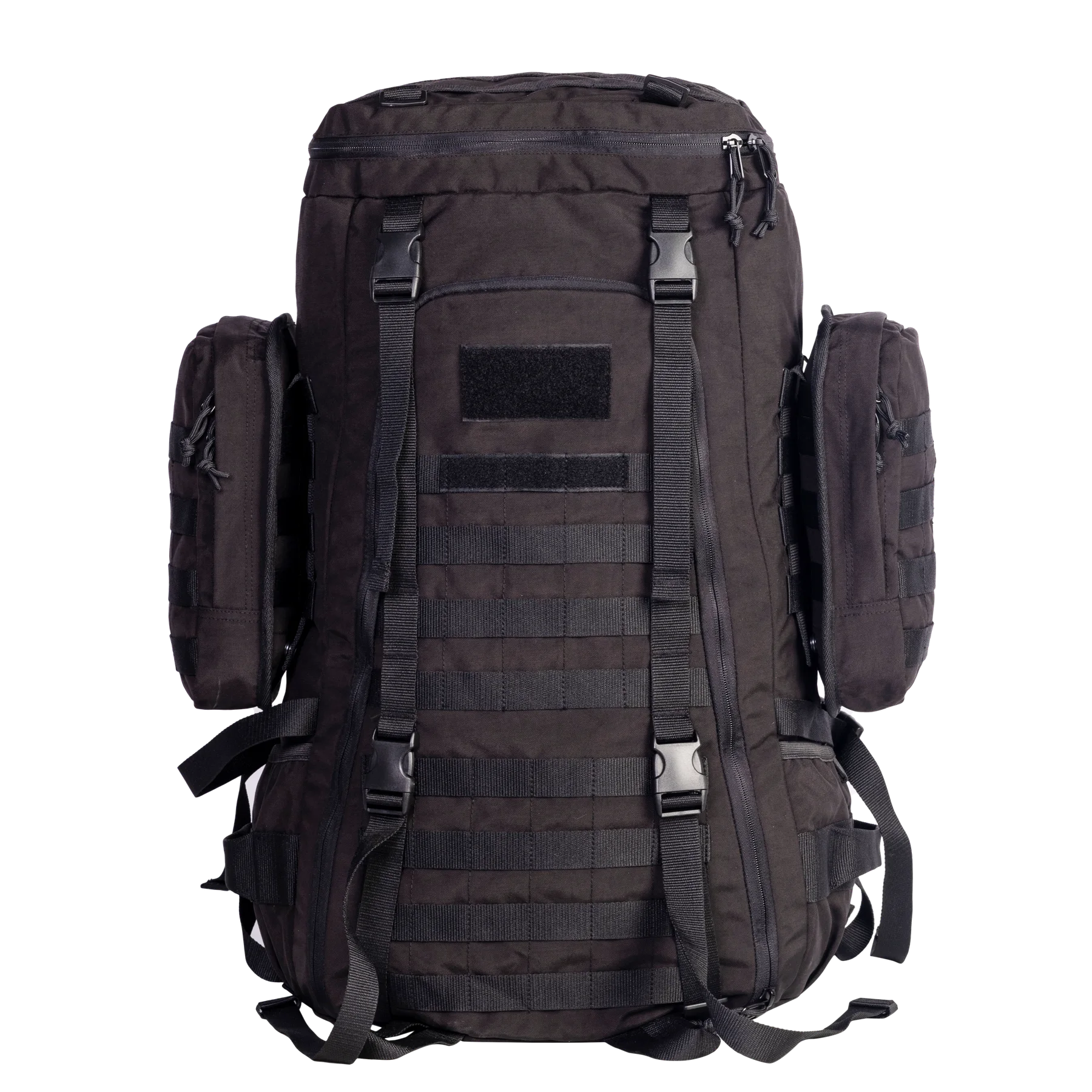
Webbing can add a visual rhythm to a backpack or provide adjustment, retention and attachment points. Define the role of each section before choosing how to connect it. Two bags with similar surface patterns may have very different functional capabilities.
01
Label the purpose of each webbing section
Decorative webbing supports appearance. Attachment webbing connects accessories. Load-bearing sections take part in carrying the bag. These roles may coexist, but each needs its own requirement.
Mark the purpose, connection points and adjustment range on front, side and rear drawings. Even decorative sections need a review for snagging and raised edges. Functional sections should identify the intended accessory and how it will be used.
02
Develop spacing around the intended accessory
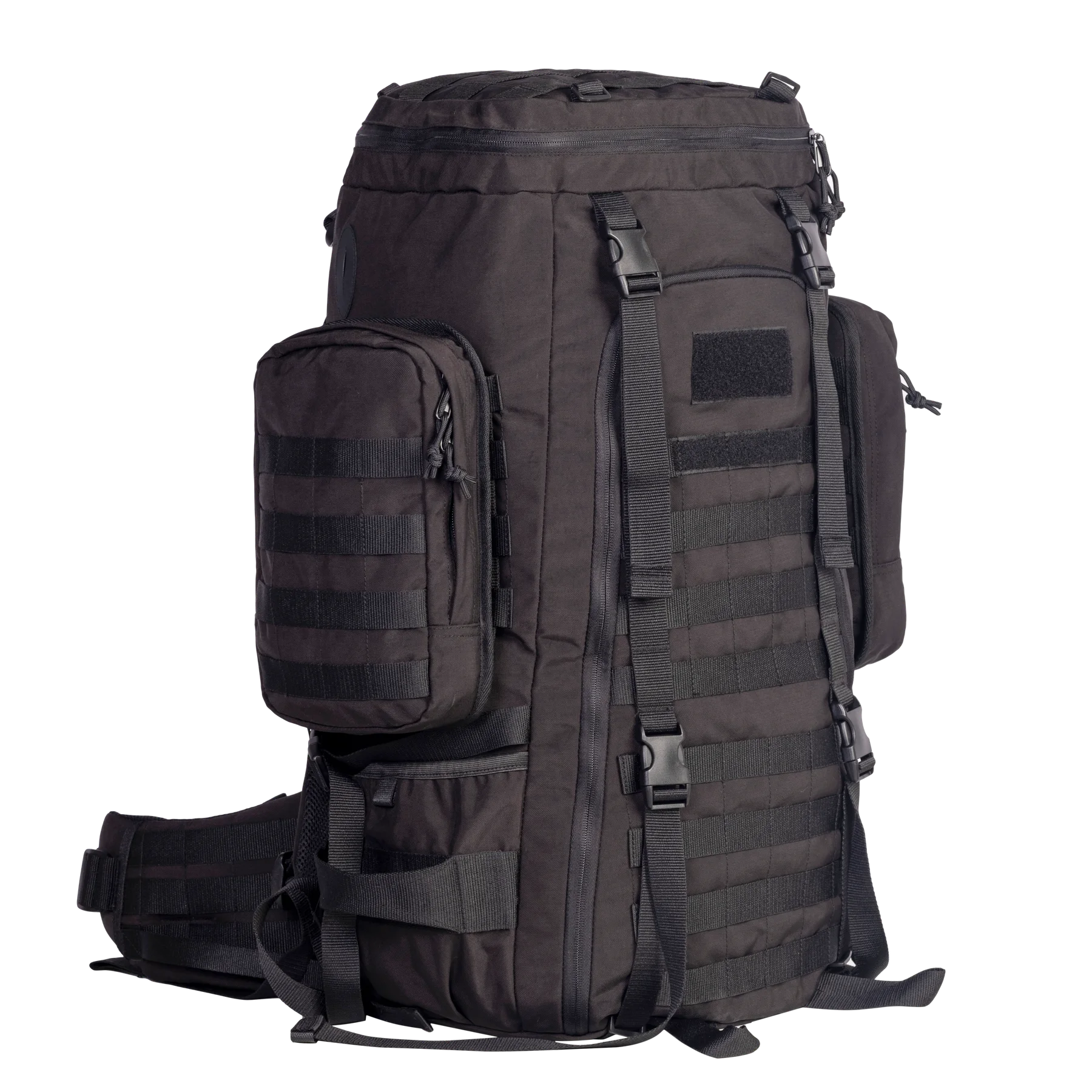
For external attachments, begin with the actual accessory and fastening method. Confirm spacing and openings through a physical fit check. A familiar appearance is not enough to establish compatibility with a named system.
Attach the intended item to the sample. Check insertion, movement and access to the bag opening. Review changes to balance and how far the accessory projects from the bag during everyday movement.
03
Prototype woven surfaces before applying them widely
Crossing webbing can create texture, but a denser arrangement can change flexibility and assembly access. A local construction sample is a useful way to compare thickness, handling and edge finishes before building the complete bag.
Look for excessive build-up at intersections, interference near zippers and rubbing against the main fabric. Do not assume that more webbing creates a stronger or lighter product. Assess the finished construction against the intended use.
04
Review material and hardware as a combination
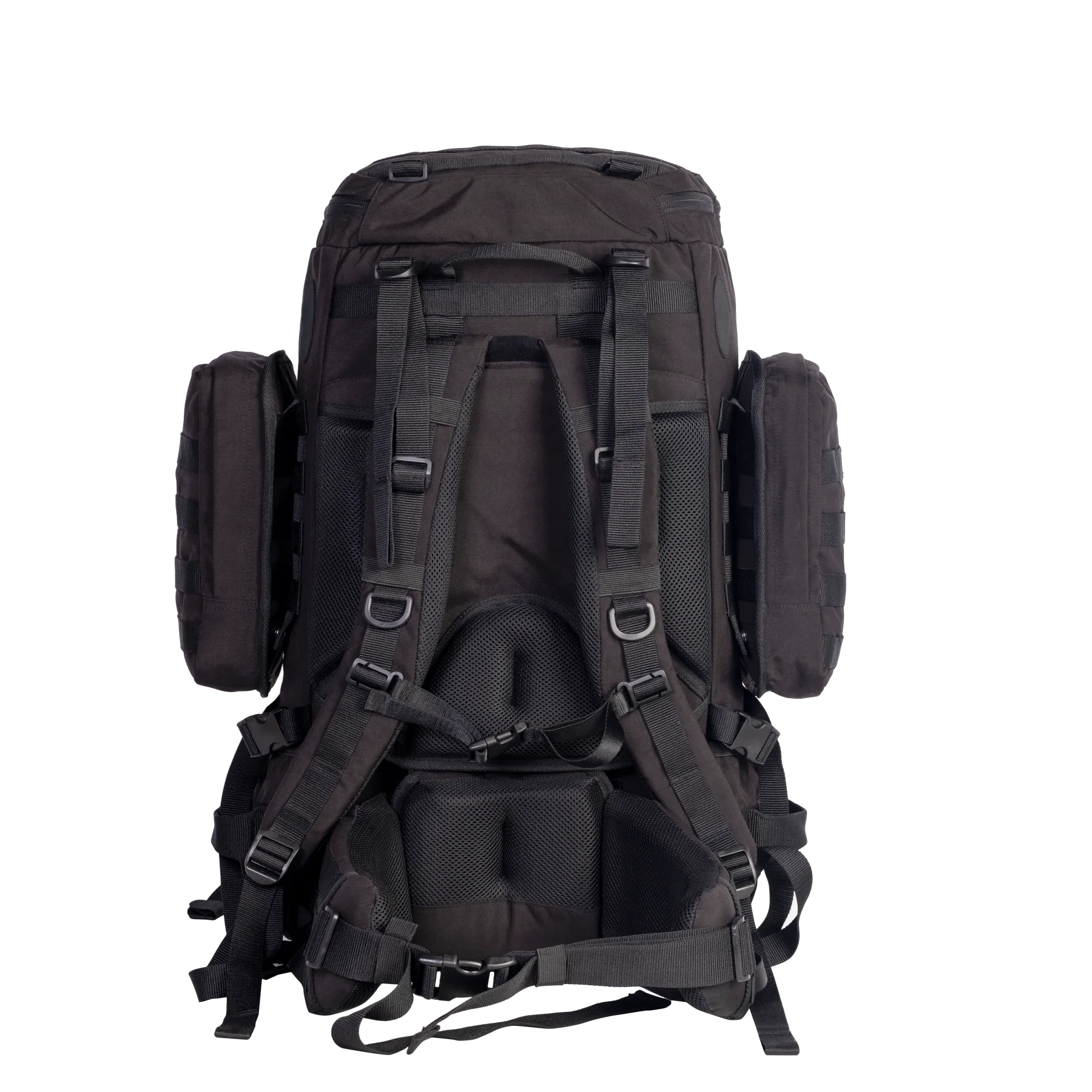
Width and color are only part of the specification. Thickness, surface feel and edge finish can affect how webbing passes through an adjuster. Test the combination for adjustment, looseness and changes after repeated handling.
Record dimensions, color references, supplier codes and intended uses in the material list. Material composition, recycled content and environmental statements need traceable supporting information. Appearance alone cannot establish those properties.
05
Build the review around possible failures
List the issues the design must address, such as loose connections, slipping webbing, frayed ends, fabric abrasion or unintended accessory release. Agree the review conditions and acceptance rules with the development team.
Photographs help record appearance and position, while movement and adjustment require physical review. Combine packing, adjustment and opening checks to identify interference that a static drawing may miss.
06
Give manufacturing review a clear reference
Material consumption is only one part of the construction. Cutting, positioning, attachment points and assembly order also matter. Identify essential details and areas that can change so the team can compare workable alternatives.
Keep position drawings, material lists, accessory references and reasons for changes together. Share them through the JKPD project inquiry page when discussing a functional backpack development project.
Discuss your bag development project
ANSON XIE
General Manager & Founder
Quanzhou Junkai Pengda Special Equipment Co., Ltd.
Email: ansonxie@jkpdtime.com
Phone: +86 177 5095 3355
WhatsApp: +86 177 5095 3355
Factory address: Floors 2–4, Building 1, Phase I, Huixin Intelligent Manufacturing Industrial Park, Hui'an County, Quanzhou, Fujian, China